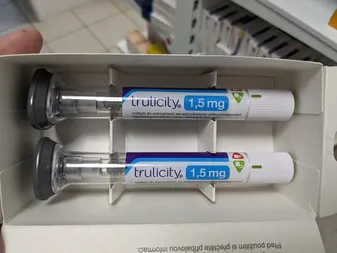
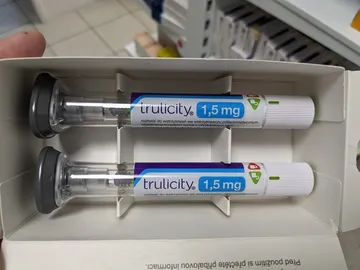
What is Dulaglutide? Is Dulaglutide Insulin?
Dulaglutide, known by its generic name Dulaglutide, is a medication. It’s important to understand that Dulaglutide is not insulin. Instead, it belongs to a class of drugs known as GLP-1 receptor agonists.
Dulaglutide is designed to help control blood sugar levels, reduce appetite, and can potentially lead to weight loss. It’s administered through an injection, typically once a week, making it a convenient option for many adults living with Type 2 diabetes. However, it’s crucial to consult with a healthcare provider to determine if Dulaglutide is the right treatment for your specific health needs.
What is Dulaglutide?
Dulaglutide, known medically as Dulaglutide, is a prescription medication primarily used in the treatment of Type 2 diabetes. It belongs to a class of drugs known as GLP-1 receptor agonists, which work by enhancing the body’s ability to produce insulin more effectively in response to high blood sugar levels. This action helps in managing and controlling blood sugar levels, an essential aspect of diabetes care.
How Does Dulaglutide Work?
Dulaglutide is a glucagon-like peptide-1 (GLP-1) receptor agonist. It works by activating (turning on) the GLP-1 receptor in your body. This tells your body to release more insulin, stops the body from releasing more sugar into your bloodstream, and slows down digestion. These actions help control and maintain blood sugar levels in people with Type 2 diabetes.
Dulaglutide functions by stimulating the body’s own ability to produce insulin more effectively. This process helps to lower blood sugar levels and reduce the risk of significant health events related to diabetes, such as heart disease or stroke.
What is Dulaglutide Used for?
The primary use of Dulaglutide is in the treatment of Type 2 diabetes. It helps in managing blood sugar levels, which is crucial for people struggling with this condition. Generally, it is used for:
- Type 2 diabetes (along with a healthy diet and regular exercise)
- Lowering the risk of major heart events (e.g., heart attack, stroke) in adults with Type 2 diabetes who have heart disease or risk factors for heart disease
What is the Generic Name for Dulaglutide?
The generic name for Dulaglutide is Dulaglutide. Dulaglutide, marketed by Eli Lilly as Dulaglutide, is a once-weekly subcutaneous glucagon-like peptide-1 (GLP-1) receptor agonist designed using recombinant DNA technology.
Is Dulaglutide Insulin?
No, Dulaglutide is not insulin. Instead, it’s a GLP-1 receptor agonist, a type of drug that helps the body to produce insulin more efficiently when needed. Dulaglutide mimics the effects of GLP-1, a naturally occurring hormone that stimulates insulin secretion.
Dulaglutide is only suitable for people with type 2 diabetes who still have functioning insulin-producing cells in their pancreas.
How To Use the Dulaglutide Single-Use Pen
Using the Dulaglutide single-use pen involves a straightforward process designed for patient convenience and ease of administration.
-
First, ensure you have the correct dosage as prescribed by your healthcare provider.
-
Before use, inspect the pen to make sure the medicine is clear and colorless. Start by cleaning the injection site, which can be your abdomen, thigh, or upper arm, with an alcohol swab.
-
Remove the pen’s cap, hold the pen firmly, and insert the needle into your skin. Press the button to administer the dose, holding the pen in place for about 10 seconds to ensure the full dose is delivered.
-
After injection, safely dispose of the needle and pen as instructed. It’s important to rotate the injection sites with each use to prevent skin irritation.
Always follow the detailed instructions provided with your Dulaglutide pen and consult your healthcare provider if you have any questions or concerns.
Safety Guidelines for Taking Dulaglutide
- Consult with your doctor to understand your dose.
- Inspect the pen to ensure it’s not damaged and the medicine appears clear and colorless.
- Choose an injection site (abdomen, thigh, or upper arm).
- Clean the injection site with an alcohol swab.
- Remove the cap from the pen.
- Hold the pen and insert the needle into your skin.
- Press the button to administer the dose.
- Hold the pen in place for 10 seconds to ensure the full dose is delivered.
- Dispose of the needle safely.
Questions to Ask Your Doctor Before Starting on Dulaglutide
- What side effects should I watch for?
- How will Dulaglutide interact with my other medications?
- What diet and exercise plan should I follow while on Dulaglutide?
- How often should I monitor my blood sugar?
Dulaglutide for Adults with Type 1 and Type 2 Diabetes
Dulaglutide, primarily known for its effectiveness in managing Type 2 diabetes in adults, is not typically used for Type 1 diabetes. As a GLP-1 receptor agonist, Dulaglutide works by enhancing the body’s natural insulin production in response to elevated blood sugar levels, making it a key treatment option for adults with Type 2 diabetes. It helps in regulating blood sugar levels, potentially aids in weight management, and can reduce the risk of cardiovascular events associated with diabetes.
However, it’s important to note that Dulaglutide is not insulin and does not replace insulin therapy needed in Type 1 diabetes. For those considering Dulaglutide, a thorough consultation with a healthcare provider is essential to determine its appropriateness based on individual health needs and diabetes management goals.
Side Effects and Adverse Effects to Consider
When beginning Dulaglutide, your healthcare provider will gradually increase your dosage to help your body adapt to the medication, potentially reducing side effects.
However, you might still experience several side effects while on Dulaglutide. Here, we’ll explore some side effects and strategies for managing them. As with any medication, being aware of potential side effects is crucial. For a detailed overview of Dulaglutide’s side effects and strategies for managing them, visit our dedicated page.
- Nausea and Vomiting: Nausea is a frequent side effect of Dulaglutide, affecting about 20% of users in clinical trials. Vomiting is less common. These side effects are more likely when starting Dulaglutide or increasing the dose. To mitigate them, try eating smaller, low-fat meals and remaining upright after eating. If symptoms persist or are severe, your healthcare provider might adjust your dosage or switch medications.
- Diarrhea: This is another common side effect, with constipation also possible. Diarrhea typically improves over time. Stay hydrated and consider OTC antidiarrheals for relief. For constipation, increase your fluid and fiber intake. If diarrhea is severe or persistent, leading to dehydration or kidney issues, contact your healthcare provider for possible dosage adjustments.
- Stomach Pain: This broad term includes discomfort and tenderness in the stomach area. Managing it involves similar strategies to nausea, like eating smaller meals. Severe stomach pain, however, could indicate serious conditions like pancreatitis or gallbladder issues, requiring immediate medical attention.
- Decreased Appetite: Dulaglutide can slow food movement through your stomach, making you feel fuller for longer and potentially leading to weight loss. If appetite changes concern you, discuss them with your healthcare provider.
- Indigestion: Some users report a burning sensation or pain in the upper abdomen, feeling full quickly, and discomfort after eating. Eating smaller meals and avoiding spicy foods, carbonated drinks, and alcohol can help. OTC medications like Pepto-Bismol may also be beneficial.
- Fatigue: Feeling low energy and tiredness while on Dulaglutide might relate to reduced calorie intake. This usually resolves as your body adjusts to new eating habits.
- Low Blood Sugar: Dulaglutide alone doesn’t typically cause hypoglycemia, but it can occur when combined with other diabetes medications like insulin or sulfonylureas. Your healthcare provider may adjust these medications when starting Dulaglutide. Monitor your blood sugar closely for symptoms like shakiness, sweating, and a fast heartbeat.
- Gallbladder Disease: Though rare, Dulaglutide has been linked to gallbladder issues, including gallstones and inflammation. Symptoms like stomach pain, nausea, vomiting, fever, and jaundice need immediate medical attention.
- Kidney Damage: Severe nausea, vomiting, and diarrhea from Dulaglutide can lead to dehydration and kidney damage. Stay hydrated and inform your healthcare provider if side effects are severe, especially if you have pre-existing kidney problems.
- Pancreatitis: A rare but serious side effect, pancreatitis requires hospital treatment. Symptoms include severe abdominal pain, nausea, vomiting, and jaundice. Inform your healthcare provider if you have a history of pancreatitis.
- Thyroid Tumors: Dulaglutide carries a boxed warning for thyroid C-cell tumors, the FDA’s strongest warning, due to increased cancer risk in animal studies. Notify your healthcare provider if you notice neck lumps or symptoms like difficulty swallowing, shortness of breath, or a hoarse voice. Avoid Dulaglutide if you have a personal or family history of certain thyroid cancers.
What is Dulaglutide Dosage?
Dulaglutide’s dosage is tailored to individual needs, typically starting with a lower dose that may be adjusted over time. It’s crucial for patients to follow their healthcare provider’s guidance on dosage to while minimizing potential side effects.
Regular monitoring and consultations with a healthcare provider ensure the dosage remains appropriate for the patient’s condition and treatment goals. Understanding the correct dosage of Dulaglutide is key to its effectiveness. For a more detailed breakdown and tips on dosage adjustments, refer to our comprehensive dosage guide for Dulaglutide.
What is Dulaglutide’s Form?
Dulaglutide is available as a subcutaneous injection, meaning it’s administered just under the skin. This form of medication is designed for ease of use, There is one dose per pen, and each pen delivers the entire dose in one injection. For each new dose, you’ll need a new pen.
What Strength Does Dulaglutide Come in?
Dulaglutide is available in multiple strengths to accommodate different treatment needs. Dulaglutide is available in four strengths:
- 0.75 milligrams (mg) per 0.5 milliliters (mL) of liquid solution
- 1.5 mg per 0.5 mL of liquid solution
- 3 mg per 0.5 mL of liquid solution
- 4.5 mg per 0.5 mL of liquid solution
What are the Typical Dosages of Dulaglutide?
The typical dosage range for Dulaglutide is 0.75 mg to 4.5 mg once per week. The usual starting dose is 0.75 mg. After you start using Dulaglutide, your doctor will monitor your blood sugar levels to see how the drug is working. If needed, they may suggest a dose increase to help with lowering your blood sugar levels.
The highest dose of Dulaglutide is 4.5 mg, given once per week.
Typically, your doctor will start you on a low dosage. Then they’ll adjust your dosage over time to reach the right amount for you. Your doctor will ultimately prescribe the smallest dosage that provides the desired effect. The information below describes dosages that are commonly used or recommended. However, be sure to take the dosage your doctor prescribes for you. Your doctor will determine the best dosage to fit your needs.
Dulaglutide for Weight Loss Reviews
Dulaglutide, primarily used for managing Type 2 diabetes, has also garnered attention for its potential weight loss benefits. Many users have reported experiencing weight loss as a side effect, which is thought to be due to Dulaglutide’s ability to slow gastric emptying and reduce appetite.
Those considering Dulaglutide for weight loss should consult with their healthcare provider to discuss its suitability and potential impacts on their overall health and diabetes management. While Dulaglutide is not primarily used for weight loss, many patients have reported this as a beneficial side effect. To understand more about this aspect, considerexploring weight loss potential with Dulaglutide and how it might complement your diabetes management plan.
Is Dulaglutide Approved for Weight Loss?
Even though Dulaglutide has** not been approved for weight loss**, research by its manufacturer Eli Lilly found Dulaglutide patients with a body mass index (BMI) of 33 or higher taking the 4.5 mg dose lost an average of about 11 pounds in 52 weeks.
Healthcare professionals prescribe Dulaglutide off-label for weight loss for people with excess weight or obesity when they believe there’s good reason to consider this drug for weight loss.
How Fast Does Dulaglutide Work?
Dulaglutide starts working shortly after you start taking it. However, it may take several weeks to a month to see the full effects of Dulaglutide.
Key Takeaways
- Dulaglutide’s Primary Use: Dulaglutide, or Dulaglutide, is primarily used for managing Type 2 diabetes, not as insulin. It’s a GLP-1 receptor agonist that helps the body produce insulin more efficiently, crucial for controlling blood sugar levels.
- Administration and Dosage: Dulaglutide is administered through a single-use pen, typically once a week. Dosages vary, starting from 0.75 mg and can be adjusted based on individual needs and healthcare provider recommendations.
- Potential Side Effects: Common side effects include nausea, vomiting, diarrhea, stomach pain, decreased appetite, indigestion, fatigue, and low blood sugar. More serious side effects can include gallbladder disease, kidney damage, pancreatitis, and thyroid tumors. It’s important to monitor these and consult a healthcare provider if they occur.
- Weight Loss Reviews: While not primarily for weight loss, Dulaglutide has been noted for its potential to aid in weight reduction, mainly due to its effects on slowing gastric emptying and reducing appetite. However, its use for weight loss should be discussed with a healthcare provider.
Frequently Asked Questions
How Long Does Dulaglutide Take to Work?
Can Higher Doses of Dulaglutide Be Used?
The typical starting dosage of Dulaglutide for this use is 0.75 mg once per week. During treatment, your doctor will monitor you. They may increase your dosage if needed to better manage your condition. The maximum Dulaglutide dosage is 4.5 mg once per week.
What is the Best Area of the Body to Administer Dulaglutide?
The best areas for administering Dulaglutide are:
- The abdomen, avoiding the 2 inches around the navel.
- The thigh, particularly the front and outer areas.
- The upper arm, if you have assistance.
Remember, rotating injection sites is important to prevent skin problems.