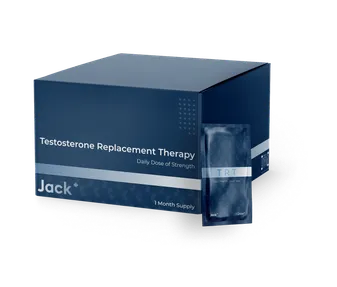

Generally, the cost of TRT in Canada can range from $100 to $500 per month. The cost of TRT may be covered by private insurance or public healthcare plans, but this will depend on the specific plan and the individual’s coverage.
Navigating the landscape of Testosterone Replacement Therapy (TRT) can be a journey filled with questions and considerations, especially when it comes to understanding the financial implications of this treatment.
As TRT becomes a more common solution for men experiencing the effects of low testosterone levels, the question of cost emerges as a critical factor in making informed healthcare decisions. Let’s dive in and learn more about TRT and how to get started!
What is Testosterone Replacement Therapy (TRT)?
Testosterone Replacement Therapy (TRT) is a medical treatment. Join Jack Health’s professional team to get tested for TRT Therapy.With our expert medical team you can get tested, get diagnosed and get solutions. Our medications are authorized for sale by Health Canada.
How Does TRT Work?
Testosterone Replacement Therapy (TRT) works by supplementing the body’s natural testosterone levels, addressing the shortfall that can lead to a range of symptoms associated with low testosterone. This therapeutic approach utilizes various forms of testosterone—such as injections, gels, patches, or pellets—to directly increase testosterone levels to a normal, healthy range.
By restoring these levels, TRT can alleviate symptoms like reduced muscle mass, low energy, decreased libido, and mood fluctuations. The method of administration and the dosage are tailored to each individual’s needs, ensuring that the therapy not only addresses the symptoms effectively but also aligns with their lifestyle and health profile.
This personalized treatment strategy allows for the optimization of testosterone levels, thereby enhancing overall well-being and quality of life for those affected by testosterone deficiency.
How Do You Know You Need TRT?
If you’re experiencing a decrease in libido, energy, muscle mass, or mood, you might have low testosterone levels. A doctor can diagnose this condition through blood tests and discuss whether TRT is a suitable treatment option for you.
While declining testosterone levels with age is completely normal, many men’s levels can fall far below what the AUA categorizes as normal for their age.
If your T levels are below what they should be for your age, you’re most likely experiencing clinically significant testosterone deficiency—specifically, hypogonadism or low T.
The only way to know if your T levels are within the normal range for your age is with a blood test. You can talk to your doctor about testing your testosterone. If you’re diagnosed with low testosterone, your doctor may recommend and prescribe testosterone replacement therapy to rebalance your hormone levels and help reduce or eliminate symptoms related to low T.
How Much Does TRT Cost?
The TRT cost in Canada can vary depending on a number of factors, including the type of treatment, the dosage, and the frequency of treatment. The cost of TRT may also vary depending on the province or territory where you live, as well as the clinic or healthcare provider that you choose.
How Much is TRT with Insurance?
The cost of TRT with insurance can vary significantly depending on your plan and coverage. Insurance may cover some or all of the costs, including prescriptions and doctor’s visits.
Testosterone replacement therapy insurance is available. Most health insurance providers will cover your testosterone replacement therapy costs as long as you can demonstrate a need. Some insurers may approve treatment costs if you have certain health conditions:
- Kallman’s Syndrome
- A pituitary tumor
- Klinefelter’s Syndrome
Depending on your health care plan and insurance company, coverage for the treatment may include full payments or copayment. To help you understand what you may be up for, here is an average cost of TRT expenses from most insurance companies:
| Initial Appointment | Between $20 and $50 |
|---|---|
| Blood Test and Lab Work | Between $20 and $100 |
| Follow-up Visits | Between $20 and $50 |
How Much is TRT Without Insurance?
Without insurance, TRT can be more expensive, with costs depending on the type of therapy and frequency of treatment.
Blood Tests and Lab Work Costs
Assessing your hormones can be pricey, especially since the ensuing treatment is tailored to address specific hormonal deficiencies. Also factor in location: if you’re getting the test done in a lab or doctor’s office you might have a copay, which isn’t a factor if you collect your own sample and mail it to a lab.
A full, 8-hormone panel can cost as much as $800; some labs quote as much as $1,500 for a comprehensive range of tests that aren’t covered by insurance companies.
Performing at-home testing is a considerably more affordable option. However, it can still run anywhere from $80 to $350.
Medical Services Costs
The cost of medical services, including consultation and monitoring, can add to the overall price of TRT. If you choose to undergo TRT through a reliable medical service provider, you’ll enroll in a subscription plan that costs around $129/month, plus the cost of medication.
Testosterone Injections Cost
Injections are a common form of TRT, with costs varying based on dosage and frequency. Testosterone injections often cost less than other methods of testosterone delivery, and can range from a low cost of $40 a month to as high as $400 a month, depending on dosage and injection frequency.
While exploring the affordability of TRT, understanding the specific costs associated with testosterone injectionscan provide deeper insights into budgeting for your treatment plan.
Testosterone Pellets Cost
Testosterone Pellets are small, 3 mm by 9 mm pellets that contain crystalline testosterone. Implanted under the skin, these pellets are a long-acting form of testosterone therapy and slowly release testosterone over the course of three to six months. The price usually begins around $500 and may increase depending on dosage.
Oral Tablets Cost
Oral testosterone is available; however, some experts believe it can have negative effects on the liver and opt for alternative methods. Oral tablets by prescription can cost between $100 and $300, depending on dosage and frequency.
Gels and Creams Cost
Testosterone gels and creams are applied topically and can cost between $200 and $500 a month, depending on dosage and concentration.
Patches Cost
Like gels and creams, dermal adhesive patches administer testosterone into the bloodstream through the skin. They also have a similar price point, costing between $200 and $500 a month, depending on dosage and frequency.
Monthly Cost of TRT Treatments
The cost of a one-month supply for the generic product is $17-51, some products $29-51 and others $60-200.
Factors Affecting the Cost of TRT
The cost of Testosterone Replacement Therapy (TRT) is influenced by a variety of factors, making it a variable expense for those considering treatment. Understanding these factors is crucial for anyone looking to manage the financial aspects of TRT effectively.
Insurance Providers and Plans
Your insurance provider and specific plan can significantly impact the cost of TRT, including what services and medications are covered.
Additional Costs
Additional costs may include lab work, follow-up visits and any side effects management.
Treatment Plan Options
The chosen treatment plan, including type of testosterone, frequency of administration, and dosage, can affect cost. The cost of each type of treatment can vary, with injections typically being the most affordable option.
Medical Professionals Involved
The number and type of medical professionals involved in your treatment can impact costs.
Benefits of Testosterone Replacement Therapy
Testosterone Replacement Therapy (TRT) offers a multitude of benefits for individuals experiencing low testosterone levels, significantly enhancing their quality of life.
Collectively, these benefits underscore TRT’s role in not just addressing the physical symptoms of low testosterone but also in bolstering mental health and improving the overall quality of life.
Improved Muscle Mass and Strength
TRT can help increase muscle mass and strength, making it easier to maintain a healthy body weight and physique.
Enhanced Libido and Sexual Function
A boost in testosterone levels can significantly improve libido and sexual function, enhancing overall quality of life.
Increased Bone Density
TRT can help increase bone density, reducing the risk of fractures and osteoporosis.
Better Mood and Quality of Life
Many men on TRT report improvements in mood and overall quality of life, including reduced symptoms of depression.
Improved Energy Levels
Increased testosterone levels can lead to higher energy levels, making it easier to tackle daily activities.
To get a clearer picture of how TRT could transform your life, delve into the expected results from undergoing testosterone replacement therapy, highlighting real patient outcomes and what you might anticipate.
Symptoms of Low Testosterone Levels
Symptoms of low testosterone levels can manifest in various ways, impacting both physical and mental health significantly. These symptoms not only affect one’s quality of life but also signal the need for a medical evaluation to determine the underlying cause and appropriate treatment options.
- Decreased Libido and Sexual Dysfunction: Low testosterone can lead to a decrease in sex drive and erectile dysfunction.
- Fatigue and Reduced Energy Levels: One of the most common symptoms of low testosterone is a significant drop in energy levels.
- Muscle Weakness and Loss of Muscle Mass: Low testosterone can contribute to muscle weakness and a noticeable loss in muscle mass.
- Increased Body Fat and Weight Gain: An imbalance in testosterone levels can lead to weight gain and an increase in body fat.
- Mood Swings and Depression: Men with low testosterone may experience mood swings and symptoms of depression.
Types of Tests Used to Determine Testosterone Levels
Determining testosterone levels typically involves a series of blood tests, as testosterone circulates within the blood bound to proteins. Understanding these levels helps medical professionals develop an effective treatment plan tailored to the individual’s specific needs.
Three types of blood tests measure these different forms of testosterone:
- A total testosterone test measures free testosterone and testosterone that’s attached to proteins. This is the most common type of test.
- A free testosterone test measures only the “active” form of testosterone. This test is less common, but it may be useful for diagnosing certain medical conditions.
- A bioavailable testosterone test measures free testosterone and testosterone that’s loosely attached to a blood protein called albumin. This test isn’t commonly done. But like a free testosterone test, it may help diagnose certain medical conditions.
How does the Cost of Different Types of Testosterone Replacement Therapy Compare?
The cost of testosterone replacement therapy can also be influenced by the specific type of medication prescribed. Generic versions of the medication, when available, can significantly reduce treatment costs compared to brand-name options that lack generic alternatives.
While cost is an important consideration in choosing a testosterone replacement therapy, the effectiveness of the treatment should be the paramount concern. Opting for a cheaper but less effective option might lead to unsatisfactory results.
Investing in a slightly more expensive treatment, as recommended by your doctor, is often more beneficial in the long run, ensuring a higher likelihood of achieving the desired outcomes from therapy.
Your doctor will recommend the most suitable form of medication based on your individual health needs, taking into account that while all forms contain the same active ingredient, their duration of effectiveness can vary. For those with significantly lower than average testosterone levels, a longer-lasting formulation may offer better results, or alternatively, more frequent treatments might be necessary to effectively manage your condition.
What is the Best Form of Testosterone Replacement Therapy?
Choosing the optimal TRT method is a complex decision without a clear-cut wrong or right choice. The decision on the most suitable TRT approach hinges on a collaborative discussion between you and your doctor. It’s essential to consider which treatment you’re likely to respond to best, which offers the most advantages, and which might pose side effects that are incompatible with your body’s tolerance.
Engage in a thorough dialogue with your doctor, asking plenty of questions to gain a comprehensive understanding and make a well-informed decision on your treatment path.
While considering TRT, it’s crucial to be aware of the potential side effects associated with testosterone replacement therapy to make an informed decision about your health journey.
Key Takeaways
- Testosterone Replacement Therapy (TRT) offers a significant improvement in the quality of life for men.
- The cost of TRT is highly variable and is influenced by factors such as the type of formulation chosen, the frequency of treatment, insurance coverage and the healthcare provider’s fees.
- It is essential to weigh the benefits against potential side effects and costs when considering TRT. A thorough consultation with a healthcare provider, including discussions about different treatment options and their respective costs, is crucial for making an informed decision.
- Insurance coverage for TRT can significantly affect the out-of-pocket costs for patients. Those without insurance or with plans that do not cover TRT might face higher expenses, making it important to explore all available options and possibly shop around for the most cost-effective treatment plan.
Frequently Asked Questions
How Long Does It Take to Get Full Benefits of TRT?
It can be concluded that the effects are demonstrable after 12–20 weeks and that depending on the achieved testosterone levels, the maximum effects are attained after 6 or 12 months.
Does TRT Work Immediately?
During your first week, your body is just getting used to the new medication and increased Testosterone levels. Many of the benefits of TRT take weeks to months to fully appear. However, there are some benefits you may experience in your first week.
What is the Success Rate of TRT?
Generally, you should expect that if your doctor prescribes TRT, you will experience greater than a 75% chance of success with TRT.