
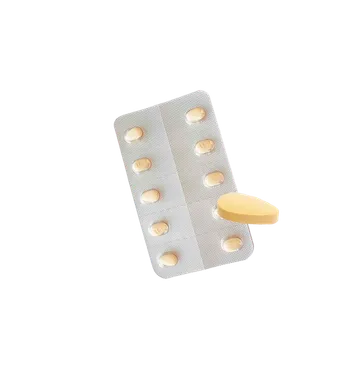
The quest for stronger, more reliable erections is not just about enhancing sexual performance; it’s about reclaiming confidence, intimacy, and overall well-being. In this article, we aimed to empower men with practical advice, proven strategies, and a deeper understanding of the factors influencing erectile health.
Whether you’re seeking to improve blood flow, explore medication options, or address underlying health issues, this guide provides actionable steps to support and improve your sexual health. Engage with a blend of lifestyle adjustments, therapeutic insights, and medical interventions tailored to foster a fulfilling sex life and boost your sexual confidence.
What is Erectile Dysfunction?
Erectile dysfunction (ED) is when a man has trouble getting or keeping an erection. It’s not uncommon, and many men experience it in their life. ED can be caused by problems with blood flow, nerves, or psychological factors like stress or anxiety.
Healthy Tips to Maintain an Erection
Maintaining a healthy erection is fundamental to a satisfying sex life and overall well-being. Incorporating healthy lifestyle choices is key: regular exercise, particularly aerobic activities, enhances blood circulation, crucial for strong erections. A diet rich in fruits, vegetables, and lean proteins can improve vascular health, directly impacting erectile function.
Reducing stress through mindfulness practices, adequate sleep, and psychological support also plays a vital role in sexual health. Avoiding excessive alcohol consumption and quitting smoking are crucial steps, as both can negatively affect blood flow and nerve health.
Regular check-ups with a healthcare provider can help manage any underlying conditions like diabetes or high blood pressure that may contribute to erectile difficulties. Embracing these healthy tips can not only maintain but also improve erection quality and sexual satisfaction.
Maintain a Healthy Body Weight
Excess weight or obesity can significantly hinder your capacity to achieve and sustain a robust erection during sexual activities.
For those with a BMI between 25 and 30, categorizing them as overweight, the likelihood of facing erectile dysfunction (ED) increases by about 1.5 times compared to those maintaining a healthy weight.
The link between obesity and a heightened risk of ED is attributed to the association of excessive weight with severe health issues like type 2 diabetes. This condition can lead to nerve damage in the pelvic and genital regions, impairing the ability to achieve or keep an erection.
Furthermore, diabetes-related erectile dysfunction poses challenges for standard ED treatments which might not be fully effective. A studyfrom 1999 revealed that only 56% of men with diabetes-related ED experienced improvements after taking an ED medication.
The most effective strategy to mitigate this risk is to monitor and manage your weight, aiming to keep it within a healthy range, typically a BMI of 18.5 to 24.9. Maintaining a healthy weight benefits overall health and is advisable even for those not affected by erectile dysfunction.
It’s important to recognize that while BMI is a helpful tool, it doesn’t perfectly account for individual differences such as muscle mass, height, or unique body types.
Consulting with a healthcare provider for personalized advice on a healthy weight range is recommended. They may propose alternative measurements like waist circumference or body fat percentage to accurately assess your weight.
Pay Attention to Your Blood Pressure
Carrying excess weight or being obese can significantly impair your ability to achieve and sustain an erection during sexual activities.
Men who are overweight, with a BMI between 25 and 30, face a 1.5 times greater risk of developing erectile dysfunction (ED), largely because obesity is linked with serious health issues like type 2 diabetes. This condition can damage pelvic and genital nerves, affecting erectile capability.
The best approach to reduce ED risk is maintaining a healthy weight, ideally a BMI between 18.5 and 24.9, which also supports overall health. Consulting with a healthcare provider for personalized weight management advice might involve alternative assessments like waist measurement or body fat percentage.
Keep an Eye on Your Cholesterol Levels
High cholesterol can affect your heart and arteries, leading to erection issues. Managing your cholesterol is essential for maintaining strong erections. If your cholesterol levels are high, your healthcare provider might recommend making changes to your diet and lifestyle, or using medication, to bring them back down to the normal range.
Eat a Diet That is Rich in Fruits, Vegetables and Nutritious Foods
Eating a balanced diet with plenty of fruits, vegetables, and healthy fats can improve blood flow and reduce ED risks.
High-fat, high-sugar and high-calorie meals like hamburgers, pizza and fried chicken are all best avoided or eaten in moderation if you’re concerned about ED.
Instead of eating foods that can affect your cardiovascular health, it’s better to focus on eating a mix of different nutritious, healthy foods.
Take Your Mental Health Seriously
Stress, anxiety, and depression can affect your ability to maintain an erection. Finding ways to manage these mental health challenges is key.
Mental health significantly influences sexual performance, with conditions like stress and anxiety at the forefront. For a deeper understanding of how psychological factors affect erectile dysfunction and strategies to overcome them, read our dedicated piece on psychological erectile dysfunction.
Make Aerobic Exercise Part of Your Daily Routine
Regular exercise can improve your heart health and blood flow, enhancing erections. Aim for activities that increase your heart rate. Aerobic forms of exercise, such as running, cycling, rowing or playing most sports, can improve your heart health and reduce the severity of erectile dysfunction.
Try Kegel Exercises to Strengthen Your Pelvic Floor
Kegels strengthen the muscles that help maintain an erection. They can enhance stamina and performance in bed.
Your pelvic floor muscles — the group of muscles located beneath your penis, bladder, intestines and rectum — play a key role in several essential bodily functions, including your ability to hold in urine.
Improve Your Sleep Habits
Good sleep can boost testosterone levels and improve overall sexual function. Try to get 7-9 hours of quality sleep each night. The quality of your sleep has a huge impact on just about every aspect of your health, including your erections and general sexual performance.
For those looking to dive deeper into strategies that can fortify your ability to maintain an erection, our comprehensive guide offers essential insights and actionable advice. Discover more about enhancing your sexual health by exploring our detailed article on how to maintain an erection and stay hard longer.
How to Stay Hard: Medications
The realm of medications offers several proven options to help men achieve and maintain stronger erections, enhancing their sexual performance and confidence. Each medication has its unique onset time and duration of action, allowing individuals to choose an option that best fits their lifestyle and sexual needs.
However, it’s crucial to consult with a healthcare provider before starting any of these treatments to discuss potential side effects, interactions with other medications, and to ensure they are a safe choice considering your health history and current condition.
Sildenafil (Generic Viagra)
Launched in 1998 as the pioneering PDE5 inhibitor, sildenafil (Viagra) stands as the most recognized treatment for erectile dysfunction (ED). Available solely in pill form, Viagra, along with its more affordable generic counterparts, is designed for daily, as-needed use.
To optimize effectiveness, it’s recommended to take the medication roughly an hour before sexual activity, giving it about 30 minutes to begin its effects, thereby reducing the likelihood of ED episodes.
Tadalafil (Cialis®)
Tadalafil (Cialis), a PDE5 inhibitor taken orally, enhances blood circulation throughout the body. It offers flexible dosing options: a higher dose can be taken approximately 30 minutes before sexual activity, not exceeding once daily, or a lower dose can be administered daily to maintain readiness for sexual activity without the need to schedule around it. Its effects may last up to 36 hours, providing a broad window for spontaneity.
Vardenafil (Levitra®)
Vardenafil, marketed as Levitra and Staxyn, is a PDE5 inhibiting oral medication available by prescription. Levitra is consumed as a traditional tablet, whereas Staxyn is designed to dissolve under the tongue, offering quicker absorption and potentially greater effectiveness due to its higher systemic exposure.
Both forms should be taken approximately 60 minutes before sexual activity, though some individuals may experience its onset within 30 minutes. Limited to once-daily use, vardenafil remains effective for roughly 5 to 7 hours, providing flexibility and convenience for sexual encounters.
Testosterone
Testosterone, the key male sex hormone, is crucial for various aspects of health and well-being. As men age, their testosterone levels tend to decrease, which can result in erectile dysfunction (ED) and other problems like fatigue, decreased libido, lower sperm count, and weight gain.
To address ED, doctors may prescribe testosterone, especially when there’s a deficiency of this hormone. Combining testosterone therapy with PDE5 inhibitors has been shown to be particularly effective for those with low testosterone levels, enhancing the overall effectiveness of ED treatments.
Understanding the critical role of hormones in sexual health is vital. If you’re curious about how hormonal levels, specifically low testosterone, impact erectile function, our article delves into the intricate relationship between low testosterone and ED, offering clarity and solutions.
Causes of Erectile Dysfunction
Erectile dysfunction (ED) arises from a complex interplay of physical and psychological factors. Identifying the underlying cause is essential for effective treatment and management of this condition.
Unhealthy Diet and Lifestyle Habits
Eating poorly and not exercising can lead to ED. Smoking and excessive alcohol use also harm erection quality.
Cardiovascular Health Issues
Problems with heart disease, arteries, and high blood pressure can all affect erections.
Low Testosterone Levels
Decreased testosterone can reduce sex drive and erection strength. Monitoring and addressing this can help.
Stress and Performance Anxiety
Worrying about sexual performance can lead to ED. Managing anxiety is a crucial step in overcoming erection problems.
Age-Related Changes in Sexual Function
As men age, erections may take longer to develop and may not be as firm. Adjusting expectations and techniques can help.
Treatment Options for Erectile Dysfunction
The first thing your doctor will do is to make sure you’re getting the right treatment for any health conditions that could be causing or worsening your erectile dysfunction.
Depending on the cause and severity of your erectile dysfunction and any underlying health conditions, you might have various treatment options. Your doctor can explain the risks and benefits of each treatment and will consider your preferences. Your partner’s preferences also might play a role in your treatment choices.
Prescription Medications
Medications can be effective treatments for ED.
Psychological Therapy
Cognitive behavioral therapy (CBT) stands out as an exceptionally effective treatment for erectile dysfunction (ED), particularly when it’s rooted in performance anxiety, low self-esteem, or diminished sexual arousal. CBT focuses on altering thought and behavior patterns, operating on the principle that thoughts, emotions, and physical sensations are interconnected.
Through CBT, individuals learn to identify triggers that lead to certain thoughts, feelings, and behaviors, aiming to adopt a more positive and realistic view towards sex. This approach helps shift the emphasis away from the pressure to achieve an erection, encouraging a healthier and more enjoyable sexual experience.
Herbal Supplements and Natural Remedies
Erectile dysfunction supplements and other natural remedies have long been used in Chinese, African and other cultures. Here’s a guide to erectile dysfunction herbs and supplements:
| Herb or Supplement | Does It Work? | Safety |
|---|---|---|
| L-arginine | Some evidence shows that taking high doses improves erectile dysfunction by stimulating blood vessels to open wider for improved blood flow. | Side effects may include nausea, cramps and diarrhea. Don’t take L-arginine with sildenafil (Viagra). |
| Ginseng | A cream preparation is used for premature ejaculation. | Panax ginseng contains many active ingredients. It appears to be safe used on a short-term basis. |
| Yohimbe | The primary component of this bark from an African tree can improve sexual dysfunction associated with selective-serotonin reuptake inhibitors (SSRIs) used to treat depression | This herb has been linked to a number of side effects, including increased blood pressure, fast or irregular heartbeat, and anxiety. Yohimbe shouldn’t be used without a doctor’s supervision. |
Key Takeaways
- Erectile Dysfunction Overview: Erectile dysfunction (ED) is a common issue among men, especially as they age, caused by a mix of physical and psychological factors including poor blood flow, stress, and underlying health conditions.
- Lifestyle and Health Factors: Maintaining a healthy weight, managing blood pressure and cholesterol, and adopting a diet rich in fruits, vegetables, and lean proteins are crucial for preventing and managing ED. Regular aerobic exercise and proper sleep enhance erectile function, while addressing mental health issues can also improve sexual performance.
- Medication and Treatments: A range of medications,, effectively treat ED. Testosterone therapy may be recommended for men with low testosterone levels. It’s important to consult a healthcare provider to choose the right treatment plan.
- Preventive Measures: Proactive measures like engaging in regular exercise, maintaining a healthy diet, and seeking therapy for psychological issues can significantly reduce the risk of ED. Avoiding smoking and excessive alcohol consumption are also key to preserving erectile function.
Frequently Asked Questions
How Long Can the Average Male Stay Erect?
An erection can last anywhere from a few minutes to a few hours. There isn’t really an average time for how long an erection should last. In general, though, the average amount of time a person has an erection during sexual intercourse before they ejaculate is about seven minutes.
How is Erectile Dysfunction Diagnosed?
A technician most often performs a Doppler ultrasound in a doctor’s office or an outpatient center. The ultrasound can detect poor blood flow through your penis. The technician passes a handheld device lightly over your penis to measure blood flow.
Can I Fix Erectile Dysfunction?
Almost all cases of erectile dysfunction are treatable, and treatment can lead to better overall physical and emotional health for nearly every patient as well as improve intimacy for couples.