
If you are considering asking your healthcare provider about starting Semaglutide, then it’s vital to understand the drug’s application, including how it’s used, the dosage, and any potential side effects. This information is essential for people with type 2 diabetes or those at risk of heart disease.
In this article, we’ve detailed the Semaglutide essentials, such as:
- What exactly Semaglutide is
- What Semaglutide injections are and how they work
- How Semaglutide pen injectors are used
- The potential side effects of Semaglutide, including Semaglutide dosage and Semaglutide side effects for weight loss
- Precautions an Semaglutide user should take
- What interactions Semaglutide has
- How to deal with an Semaglutide overdose or missed dose
- Frequency of use
- Storing Semaglutide
- Frequently asked questions
Ready to learn more? Read on!
What Is Semaglutide?
Semaglutide is a semaglutide formulation owned and distributed by Novo Nordisk for the treatment of type 2 diabetes in adults. It’s not approved for use in children but can reduce the risk of major cardiovascular events, including stroke, heart attack, and even death.
Semaglutide is a glucagon-like peptide-1 (GLP-1) agonist, intended to lower blood sugar and improve glycemic control in patients. You may see semaglutide marketed under different names, including Semaglutide and Rybelsus. Victoza is another GLP-1, though it contains liraglutide, not semaglutide.
Semaglutide, when supplemented with diet and exercise, is also frequently prescribed to support weight management amongst diabetic patients or those with a BMI over 27, helping in the reduction of problems related to obesity.
What Are Semaglutide Injections?
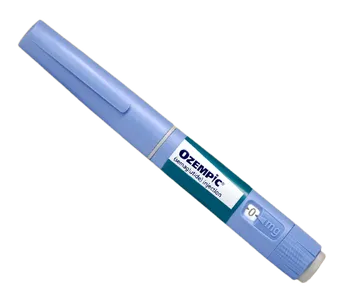
Semaglutide injections refer to how the drug is administered. Unlike some other medicines, Semaglutide is self-administered by patients via subcutaneous injection once weekly. This injection is performed with an Semaglutide pen injector, a consumer-friendly hypodermic needle, similar to an EpiPen.
Patients are encouraged to rotate injection sites, including the abdomen, thigh, or upper arm, and to avoid injecting into veins or muscle tissue to prevent swelling or other reactions.
How Do Semaglutide Injections Work?
Semaglutide’s active ingredient is semaglutide. Semaglutide helps to regulate blood sugars in the body by increasing insulin secretion from the pancreas when your blood sugar levels are high. It also has a side effect of suppressing appetite in some patients, which can help with weight management, especially when paired with a healthy diet and exercise.
Increasing Release of Insulin on Blood Sugar Elevation
Semaglutide produces some of the same effects as the human incretin glucagon-like peptide-1 (GLP-1), promoting insulin secretion and blood sugar disposal. Insulin inhibits blood sugar spikes, meaning that if you have type 2 diabetes, you’re less likely to suffer from hyperglycemia when on semaglutide, and have better glycemic control overall.
Production of Less Glucose from Liver Stores
Glucose is synthesized and released as carbohydrates by the liver, which raises your blood sugar levels. Semaglutide helps to suppress the production of glucagon, which therefore means that your liver will not produce glucose, preventing associated blood sugar spikes.
Reduction in Appetite
GLP-1 is naturally released after eating, stimulating the production of insulin and inhibiting that of glucagon. One of the common side effects of increased insulin production and glucagon suppression is a loss of appetite or suppression of hunger. Semaglutide mimics GLP-1 and produces similar effects.
When combined with a healthy diet and exercise, or other lifestyle changes, semaglutide can be an extremely effective medication to assist with weight management.
How to Use an Semaglutide Pen Injector
Novo Nordisk supplies a comprehensive guide to the use of their Semaglutide pens, including this handy video. If you’re unsure about these instructions, consult your medical team for assistance.
Generally:
- Your Semaglutide pen should be clearly labeled and contain clear, colorless fluid
- Use a fresh needle every time, and be sure you safely dispose of it afterward
- Check and adjust the dose and flow of your pen before using
- Inject Semaglutide subcutaneously (i.e., into the fatty tissue, just beneath the skin), avoiding any muscle or veins
- Prior to its initial use, an Semaglutide pen should be refrigerated at a temperature between 36–46ºF. After first use, you can return your pen to the refrigerator or keep it at room temperature between 59–86ºF
- You must dispose of your pen in a sharps safe disposal container, no later than 56 days after first use
- Never share your Semaglutide pen with anyone else, even if you’ve changed the needle, as this can lead to serious infection
Are There Side Effects of Using Semaglutide Injections?
There are numerous potential side effects you could experience as a result of Semaglutide injections. These include gastrointestinal upset (upset stomach), including nausea, constipation, diarrhea, vomiting, gas, and burping, as well as fatigue, dizziness, headache, shortness of breath, and changes in sense of taste.
In clinical studies of Semaglutide, the most commonly reported side effects were related to the stomach and digestive system. However, Semaglutide use can also lead to more serious side effects, such as:
- Hypoglycemia (dangerously low blood sugar)
- Symptoms include irritability, confusion, sleepiness, weakness, headache, seizures, erratic heartbeat, unconsciousness, coma, or death
- Pancreatitis (inflamed pancreas)
- Symptoms include pain and/or swelling in the abdomen, fever, back pain, and gastrointestinal upset
- Kidney injury or failure
- Symptoms of kidney problems include confusion, fatigue, nausea, irregular or increased urination, swelling of the joints, and (without medical intervention) death
- Gallbladder issues
- Symptoms include rapid weight loss, pain, sweating, loss of appetite, and nausea
- Impaired vision (diabetic retinopathy)
- Symptoms include blurred sight, poor night vision, loss of vision, and dark spots in your eyes
- Severe allergic reactions
- Signs you’re having an allergic reaction include itching, redness, a rash or hives around the injection site, swelling of the face, lips, tongue, or throat, difficulty breathing after taking semaglutide
- Medullary thyroid carcinoma (thyroid cancer)
- Symptoms of thyroid tumors include a lump in the throat, hoarseness, neck pain, coughing, trouble breathing and swallowing, and (if left untreated) death
If you have any of the above more serious side effects, stop your use of Semaglutide immediately and contact your medical team, or go directly to the ER at your local hospital.
What Precautions to Take with Semaglutide Injections
The most important precaution to take with Semaglutide injections is making sure you consult with your medical team first. In Canada, Semaglutide is only available by prescription.
Semaglutide can have contraindications with other medications, so be sure to tell your medical team about any other prescription drugs you’re currently taking, including vitamins.
Additionally, if you’re pregnant or trying for a baby, be sure to discuss the risks of starting Semaglutide with your medical team. If you have a family history of thyroid cancer or medullary thyroid carcinoma, you should also consult your healthcare provider.
Understanding Semaglutide Injection Interactions
There are 247 known drug interactions with Semaglutide. It’s extremely important that your medical team has all the information regarding your prescription, over-the-counter, and illicit drug use.
Do not use any drugs in conjunction with Semaglutide without proper medical supervision and advice. This includes prescription drugs, vitamins, and even some herbal supplements.
What to Do in Case of an Overdose
An Semaglutide overdose will lead to hypoglycemia. Critically low blood sugar can be fatal and is characterized by:
- Shaking, dizziness, and weakness
- Headache, nausea, and vomiting
- Mood changes
- Seizure or fitting
- Unconsciousness and eventual coma
In the event of an Semaglutide overdose, it is critical to call the patient’s medical team immediately. If that medical team is unavailable, or symptoms worsen, do not hesitate to dial 911 for emergency help.
What to Do in Case of a Missed Dose
Semaglutide is taken weekly. If you are still within five days of the missed dose, it’s not too late to take it.
If you have passed five days, skip the dose and inform your medical team.
Never double your dose — this can lead to a rapid and dangerous drop in blood sugar.
Tips for Storing Semaglutide Injections
An unused Semaglutide pen should be refrigerated at a temperature between 36–46ºF.
In between uses, an Semaglutide pen should be stored in a refrigerator or kept at room temperature of 59–86ºF.
Dispose of your Semaglutide pen no later than 56 days after its first use.
How Often to Have Semaglutide Injections?
Semaglutide is designed to be administered once a week, every week.
As always, follow your medical team’s advice, as this may differ per person.
Key Takeaways
- Semaglutide is a prescription medicine, used in the treatment of type 2 diabetes, or to assist with weight management in those with a BMI of over 27. It should not be used in any context other than a medically-approved treatment plan.
- Always consult your medical team in regards to dosage, regime, and possible interactions with other drugs or illnesses.
- If you are experiencing adverse symptoms of Semaglutide, contact your medical team or emergency services immediately.
- For more information on Semaglutide dosage, visit this link.
For details on Semaglutide side effects related to weight loss, click here.
Semaglutide Injection FAQs
Who should not take Semaglutide injections?
Semaglutide is not intended for certain people, including:
- Those with type 1 diabetes
- Those with a personal or family history of thyroid cancer
- People with allergies to semaglutide or other ingredients in Semaglutide
- If you experience an allergic reaction, contact your medical team immediately
- If you’re pregnant or trying for a baby, you should consult your medical team before starting Semaglutide
Should I avoid certain foods while taking Semaglutide injections?
You shouldn’t need to avoid specific foods while taking Semaglutide, unless you are experiencing nausea or stomach upset. In that case, avoid overly sweet or greasy meals.
There are no foods that are known to have specific negative interactions with Semaglutide. However, diabetes patients are frequently at an elevated risk of heart disease or heart attack. For this reason, eating foods that support stable blood sugar levels and a healthy heart are encouraged.
What conditions do Semaglutide injections treat?
Semaglutide injections are designed and manufactured for the treatment and healthcare of patients with type 2 diabetes or those with a BMI over 27. It can also be a part of a comprehensive treatment plan that includes diet, exercise, and other medicines to control blood sugar levels and weight.
For more information on how to use the Semaglutide pen injector, visit this page.
Does Semaglutide support weight management?
Semaglutide, when supplemented with diet and exercise, is also frequently prescribed to support weight management amongst diabetic patients or those with a BMI over 27, helping in the reduction of problems related to obesity.
Sources
- https://www.novonordisk.com
- https://medlineplus.gov/
- https://www.novonordisk.com.au/
- https://www.semaglutide.com/
- https://www.bmj.com/
- https://www.nejm.org/
- https://my.clevelandclinic.org/
- https://eprints.qut.edu.au/
- https://www.houstonchronicle.com/
- https://www.novo-pi.com/
- https://www.medicalnewstoday.com/
- https://www.drugs.com/
- https://www.healthline.com/health/drugs/semaglutide-dosage
- https://www.semaglutide.com/faqs.html
- https://diabetesstrong.com/foods-to-avoid-semaglutide