Semaglutide, the brand name for semaglutide, is a glucagon-like peptide-1 (GLP-1) receptor agonist prescription drug, utilized in the management of type 2 diabetes in adults. It’s essential to note that it’s not sanctioned for use in children but has been a subject of interest for many people concerned about diabetes management.
Semaglutide functions by stimulating insulin production in the pancreas, thus reducing blood sugar levels. An additional effect of this medicine is its potential assistance in weight management, an appealing benefit for many. In Canada, it’s authorized for weight control in individuals with obesity and a BMI of 27 or more.
The administration of Semaglutide is done subcutaneously by the patient through a weekly injection at home. If you’re unfamiliar with Semaglutide, you might have questions about how to self-administer your dose.
In this article, we’ll explore:
- What the Semaglutide Pen injector is
- The advantages of the Semaglutide Pen
- Our guide to comprehending dosing
- Possible side effects
- Considerations with the Semaglutide Pen
- Frequently asked questions.
Let’s dive in!
What Is the Semaglutide Pen Injector?
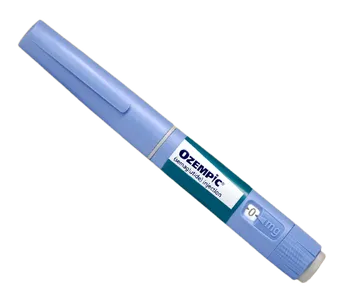
The Semaglutide Pen injector, akin to an EpiPen, serves as the delivery system for your semaglutide medication dose. It houses the medication and is equipped with needles for each dose administration.
There are three distinct types of Semaglutide Pens:
- The red label: Delivers 0.25 mg and 0.5 mg doses, containing a total of 2 mg
- The blue label: Delivers 1 mg doses, containing a total of 4 mg
- The yellow label: Delivers 2 mg doses, containing a total of 8 mg.
Each pen is sufficient for four injections, equating to a month’s supply of Semaglutide.
How Does the Semaglutide Pen Work?
The Semaglutide Pen facilitates self-injection subcutaneously, i.e., under the skin into the fatty tissue layer, into your bloodstream. Avoid injecting into muscles or veins directly. Recommended injection sites encompass:
- The front of thighs
- The front of the abdomen
- Upper arms
- Back
Make sure to alternate your injection site each time.
The medication imitates GLP-1, a hormone that encourages insulin production. Thus, post-medication, your body will generate more insulin, decreasing blood sugar.
Depending on the Semaglutide Pen you’re using, you can select your dose and monitor remaining doses.
Benefits of the Semaglutide Pen
The Semaglutide Pen offers numerous advantages. Besides being more efficient than oral semaglutide medication (not approved in Canada), it may also outperform other diabetes medicines (or in combination with them).
Patients using the Semaglutide Pen can self-administer the drug without difficulty, thanks to its simple mechanism.
Should you require assistance, your healthcare provider or Nurse Practitioner can offer further instructions. Novo Nordisk also provides a helpful video on their website for reference.
Lower Blood Glucose Levels
The primary advantage of the pen is the consequent reduction in blood glucose levels. This alleviates diabetes symptoms and has been proven in clinical trials or studies to have a more significant effect on AC1 than other diabetes medications.
Reduced Risk of Cardiovascular Events
Semaglutide’s positive impact on blood pressure, along with its effective treatment of type 2 diabetes, diminishes the risk of major cardiovascular events, including heart attack, stroke, hypertension, and death.
When used for weight management, it may also lower the risk of cardiovascular issues and heart disease development.
Weight Loss Potential
Semaglutide’s potential to aid in weight management is one of its side effects, thanks to reduced appetite and increased fullness after eating.
If you’re considering Semaglutide for weight management, you must have a BMI of 27 or over to be approved for prescription.
For the best results with Semaglutide for weight control, combine the treatment with a healthy diet and regular exercise. More information on Semaglutide’s use for weight loss can be found here.
Convenience of Use
The Semaglutide Pen injector is compact, user-friendly, and doesn’t require refrigeration once used, although unused Semaglutide Pens should be stored in the refrigerator.
Understanding Dosing With the Semaglutide Pen
When prescribed Semaglutide, your medical team will guide you on the correct dose. It’s vital to take Semaglutide as prescribed. For a definitive guide on Semaglutide dosage, you can refer to this link.
Dose Counter Feature
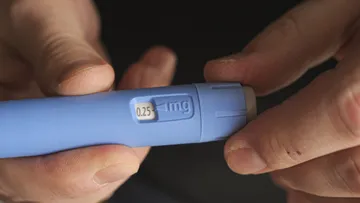
The dose counter allows you to check the remaining medication in your pen. By turning the dose counter, you can ensure that there’s enough left for your required dose size.
The dose counter also helps you administer the correct Semaglutide amount.
Dose Selector Button
When administering Semaglutide, use the analog dose counter dial to choose your dose. This enables you to self-administer the proper medication amount.
Injectable Prescription Medicine Label Guidelines
Always adhere to the medication label guidelines when injecting Semaglutide. Dispose of used needles in a sharps container, never reuse needles, and don’t share your Semaglutide Pen to minimize infection risk.
Side Effects of Using the Semaglutide Pen
Like any medication, Semaglutide may have side effects, although they may be fewer than other common diabetes treatments.
Common Side Effects
Common side effects from the pen’s use include itching and swelling at the injection site. Rotating your injection site can minimize irritation.
Semaglutide’s side effects commonly encompass:
- Nausea
- Vomiting
- Diarrhea
- Abdominal pain
- Constipation
These effects often appear at the treatment’s onset or when the dose increases but are likely to subside as treatment progresses.
More serious, but rare, side effects may include changes in vision (diabetic retinopathy), hypoglycemia, allergic reactions (including swelling of the face, tongue, neck, or throat), kidney issues, pancreatitis, gallbladder issues, and thyroid tumors. For more details on the side effects of Semaglutide, visit this link.
Considerations While Using the Semaglutide Pen
Discuss your medical history and treatment plan thoroughly with your medical team to determine if Semaglutide is suitable for you. Like other prescription medications, Semaglutide may not be the right solution for everyone.
If you are pregnant, breastfeeding, or planning to conceive, consult your medical team, as your treatment plan may need adjustment.
If you’re unfamiliar with Semaglutide, you might have questions or trouble understanding how to self-administer your dose.
Important Safety Information and Contraindications for Use
Avoid using Semaglutide if you or your family have a history of medullary thyroid carcinoma or Multiple Endocrine Neoplasia syndrome type 2.
Semaglutide may not be suitable for patients prone to pancreatitis or kidney problems.
Always use a new needle for each injection and dispose of used needles safely. Never share your Semaglutide Pen, even if the needle has been changed.
If you’re uncertain about using the Semaglutide Pen, consult your medical team or doctor for advice.
Key Takeaways
- The Semaglutide Pen injector is a handy and effective prescription treatment for type 2 diabetes or weight management assistance.
- Your dosage will depend on your individual circumstances, so adhere to your medical team’s instructions.
- If you’re uncertain about using the Semaglutide Pen, consult your medical team or Nurse Practitioner.
- Be aware of the side effects and contraindications when using Semaglutide, and ensure you’re fully informed before starting the drug.
Semaglutide Pen FAQs
What is the Semaglutide pen used for?
The Semaglutide pen delivers injectable semaglutide medication, mainly to reduce blood sugar levels in type 2 diabetes patients or assist with weight management for those with a BMI of 27 or higher.
Will the Semaglutide pen make me lose weight?
Though not its primary function, Semaglutide’s side effects have demonstrated effectiveness in weight management. Results vary, and prescription approval requires either type 2 diabetes or a BMI of 27 or higher.
Can I use the Semaglutide pen if I am not diabetic?
In Canada, Semaglutide is approved for type 2 diabetes treatment or if your BMI is 27 or higher. If you fall into the latter category and are not diabetic, you can use Semaglutide.
For more information on Semaglutide injection, you can refer to this link.