
When considering treatment options, it’s essential to compare and contrast different medications. In this context, Semaglutide and Tirzepatide are two notable options. Let’s explore and analyze their mechanisms, side effects, and effectiveness
An Overview of Semaglutide
Semaglutide, is a prominent medication in managing obesity and type 2 diabetes. It belongs to a class of drugs known as GLP-1 receptor agonists. It is a prescription drug primarily used for weight management in adults with obesity or overweight who have weight-related medical problems. It works by mimicking a hormone that targets areas of the brain involved in appetite regulation, thereby reducing hunger and calorie intake.
Approved by Health Canada in 2022, Semaglutide is administered through once-weekly subcutaneous injections. It’s distinct from other weight-loss medications due to its higher dose of semaglutide.
How Does Semaglutide Work?
Semaglutide functions by mimicking the effects of a hormone called glucagon-like peptide-1 (GLP-1), which is naturally produced in the body. GLP-1 plays a crucial role in appetite regulation and calorie & food intake.
When introduced into the body, Semaglutide binds to GLP-1 receptors in the brain, particularly in areas responsible for regulating appetite and food intake. This binding action enhances the body’s natural response to GLP-1, leading to appetite suppression and increased feelings of fullness. As a result, individuals on Semaglutide tend to consume fewer calories, aiding in gradual and sustained weight loss.
Additionally, Semaglutide has been observed to slow gastric emptying, further contributing to a decrease in appetite and caloric intake. It’s important to note that while Semaglutide is effective in promoting weight loss, it works best when combined with a healthy diet and regular exercise.
An Overview of Tirzepatide
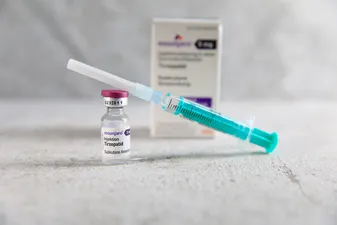
Tirzepatide, generically known as tirzepatide, is a relatively new medication approved by Health Canada in 2022. It represents a novel class of diabetes medication, as it is a dual glucose-dependent insulinotropic polypeptide (GIP) and glucagon-like peptide-1 (GLP-1) receptor agonist.
This dual action enables Tirzepatide to effectively lower blood sugar levels by enhancing insulin secretion, reducing the liver’s glucose production, and slowing gastric emptying.
It is administered through a subcutaneous injection, typically once a week.
How Does Tirzepatide Work?
Tirzepatide functions through its innovative dual-action mechanism as a combined agonist of both the glucagon-like peptide-1 (GLP-1) and glucose-dependent insulinotropic polypeptide (GIP) receptors. This dual receptor activity is a first in diabetes treatment.
By stimulating the GLP-1 receptor, Tirzepatide enhances insulin secretion in response to high blood sugar levels, while simultaneously reducing glucagon secretion, a hormone that raises blood sugar levels.
The GIP receptor activity complements this by further improving insulin release and decreasing glucagon secretion.
Additionally, Tirzepatide slows gastric emptying, contributing to a decrease in appetite and caloric intake, which assists in weight management—a crucial aspect for many individuals with type 2 diabetes.
This combined approach not only helps in effectively lowering blood sugar levels but also supports weight loss, making it a significant advancement in diabetes care.
Semaglutide vs. Tirzepatide: What are the Differences?
The main difference between Semaglutide and Tirzepatide lies in their mechanisms of action, dosage, approval for certain uses, and effectiveness.
Semaglutide and Tirzepatide, while both used in the management of related health issues, differ significantly in their composition and primary indications.
Approved Use
- Semaglutide: Approved for weight management in adults with obesity or overweight with at least one weight-related condition such as high blood pressure, type 2 diabetes, or high cholesterol.
- Tirzepatide: Primarily approved for the treatment of type 2 diabetes; research on its use for obesity is ongoing.
Effectiveness in Weight Loss
Recent studies have found that patients on tirzepatide (the active ingredient in Tirzepatide) were significantly more likely to achieve 5%, 10%, and 15% weight loss and experience larger reductions in weight at 3, 6, and 12 months than those on semaglutide (the active ingredient in Semaglutide).
While both drugs can lead to significant weight loss and improved blood sugar levels in people with type 2 diabetes, it’s also important to remember that the extent of effectiveness can vary based on individual factors such as body mass index (BMI), existing health conditions and adherence to the treatment plan.
The remarkable weight loss results associated with Tirzepatide may intrigue many readers seeking more information. To delve deeper into this topic, our in-depth exploration of weight loss with Tirzepatideoffers additional insights and success stories.
Approval for Weight Loss
While Semaglutide is approved specifically for weight loss, Tirzepatide’s current approval is for type 2 diabetes management. This distinction is crucial for insurance coverage and prescription considerations.
Dosage and Administration
Semaglutide
Administered as a weekly subcutaneous injection, with dose adjustments based on effectiveness and tolerance. The strengths of the prefilled single-dose injection pens are as follows:
- 0.25 mg/0.5ml
- 0.5 mg/0.5 mL
- 1 mg/0.5 mL
- 1.7 mg/0.75 mL
- 2.4 mg/0.75 mL
The dosage is as follows:
- weeks 1–4: 0.25 mg
- weeks 5–8: 0.5 mg
- weeks 9–12: 1 mg
- weeks 13–16: 1.7 mg
- week 17 onwards: 2.4 mg
Tirzepatide
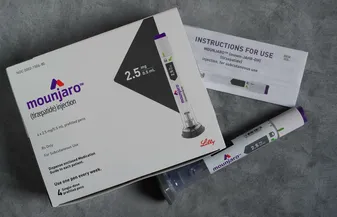
It is also a subcutaneous injectable medication, with dosage varying depending on the patient’s history. The strengths of the prefilled single-dose injection pens are as follows:
- 2.5 mg/0.5 mL
- 5 mg/0.5 mL
- 7.5 mg/0.5 mL
- 10 mg/0.5 mL
- 12.5 mg/0.5 mL
- 15 mg/0.5 mL
The weekly dosage is as follows:
- weeks 1–4: 2.5 mg
- weeks 5–8: 5 mg
- week 9 onwards: if needed, your doctor may increase your dose by 2.5 mg every 4 weeks, up to a maximum of 15 mg
Semaglutide vs. Tirzepatide Side Effects
Comparing the side effects of Semaglutide and Tirzepatide reveals some similarities and differences, reflecting their distinct mechanisms of action. Both medications, operating as GLP-1 receptor agonists, commonly cause gastrointestinal-related side effects, though the extent and nature of these effects can vary.
Semaglutide Side Effects
– Nausea
– Diarrhea
– Vomiting
– Constipation
– Abdominal pain
– Headache
– Fatigue
– Increased risk of thyroid C-cell tumors (in animal studies)
Tirzepatide Side Effects
– Reduced appetite
– Hypoglycemia (especially when used with other diabetes medications)
While both medications share common side effects like nausea and diarrhea, Semaglutide has a noted concern for thyroid C-cell tumors observed in animal studies. On the other hand, Tirzepatide, due to its dual action on GIP and GLP-1 receptors, may have an increased risk of hypoglycemia, particularly when combined with other diabetes medications. It’s crucial for individuals to consult with healthcare professionals to understand these side effects in the context of their personal health conditions and treatment plans.
While we have briefly touched upon the side effects of Tirzepatide, it is important for readers to have a thorough understanding of what to expect. For more detailed information, consider exploring our comprehensive guide on the side effects of Tirzepatide.
Switching between Semaglutide and Tirzepatide
Switching between Semaglutide and Tirzepatide should be approached with caution and under medical supervision. This is because both medications, although similar in their use, have different primary indications and mechanisms of action.
A healthcare professional can provide guidance on the appropriate transitioning process, monitor for any adverse effects, and adjust treatment plans as necessary to ensure safety and effectiveness.
Switching from Semaglutide to Tirzepatide
If considering a switch from Semaglutide to Tirzepatide, it’s important to evaluate how your body has responded to Semaglutide. Review any side effects or benefits experienced, and discuss with your doctor.
Switching from Tirzepatide to Semaglutide
Similarly, switching from Tirzepatide to Semaglutide requires an evaluation of your response to Tirzepatide. Consider Semaglutide’s specific action as a GLP-1 receptor agonist and discuss potential changes in side effects and effectiveness.
Cost of Semaglutide vs. Tirzepatide
Cost is a significant factor when considering these medications. Semaglutide and Tirzepatide can vary in price based on dosage, insurance coverage, and prescription considerations. It’s advisable to research and compare the costs and check with your insurance provider for coverage details.
Semaglutide
Semaglutide is a prescription medication used in adults. The cost of Semaglutide per month in Canada will be range from $500 to $800, excluding consultations and follow-up appointments.
Tirzepatide
Currently, Tirzepatide costs approximately $500 / week at pharmacies across Canada. However, the actual amount you will pay largely depends on your prescription drug insurance plan. Prices and coverage may differ based on individual insurance policies and varying provincial regulations.
What is More Effective: Tirzepatide or Semaglutide?
To determine which is more effective, Tirzepatide or Semaglutide, one must scrutinize clinical trial results and patient outcomes. Both have shown efficacy in weight loss and blood sugar regulation, but individual responses can vary based on diabetes history, body mass index, and other health factors.
Based on a study, Tirzepatide is more effective than Semaglutide at supporting weight loss and blood sugar reduction. However, Semaglutide seems to lead to fewer side effects and is better tolerated than Tirzepatide.
Key Takeaways
- Distinct Functions and Indications: Semaglutide, a GLP-1 receptor agonist, is primarily used for weight management in adults with obesity, while Tirzepatide, a dual GIP and GLP-1 receptor agonist, is primarily indicated for type 2 diabetes treatment. Tirzepatide has also shown effectiveness in weight loss, but its primary approval is for diabetes management.
- Differences in Side Effects: Both medications commonly cause gastrointestinal side effects like nausea and diarrhea. However, Semaglutide has concerns regarding thyroid C-cell tumors (observed in animal studies), and Tirzepatide may increase the risk of hypoglycemia, especially when used with other diabetes medications.
- Weight Loss Effectiveness: Recent studies suggest Tirzepatide may be more effective in achieving significant weight loss compared to Semaglutide, with Tirzepatide showing larger reductions in weight over various time frames.
Frequently Asked Questions
Is Tirzepatide a Semaglutide?
No, Tirzepatide is not a semaglutide. It is a tirzepatide, acting on both GIP and GLP-1 receptors. On the other hand, semaglutide is the active ingredient in Semaglutide, acting primarily on GLP-1 receptors.
Is Tirzepatide the Same As Semaglutide?
Tirzepatide and Semaglutide are different. Tirzepatide has a unique dual mechanism, whereas Semaglutide is a GLP-1 receptor agonist. They are used for similar purposes but have different mechanisms of action and chemical compositions.
Can You Take Tirzepatide and Semaglutide Together?
It’s generally not recommended to take Tirzepatide and Semaglutide together without professional medical advice. Combining these medications could increase the risk of side effects and might not offer additional benefits. Always consult your healthcare provider for personalized advice.