Navigating the landscape of medications can be challenging, especially when faced with options like Tirzepatide and Semaglutide. These medications have emerged as significant players. However, understanding the differences and similarities between them is crucial for making informed health decisions.
In this article, we’ll explore and compare Tirzepatide and Semaglutide, delving into their mechanisms of action, effectiveness, side effects, and overall impact. Whether you’re a patient, a caregiver, or simply seeking information, this comparison aims to clarify and guide your understanding of these medications. Let’s investigate the differences and similarities between Tirzepatide and Semaglutide to determine which might be the best fit for your health needs.
What is Tirzepatide?
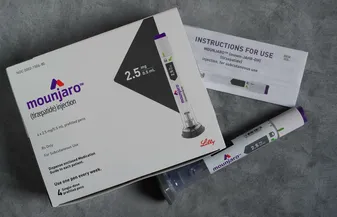
Tirzepatide, a medication recently approved. Tirzepatide’s active ingredient, Tirzepatide, targets both GLP-1 and GIP receptors.
As you consider Tirzepatide, it’s essential to understand its proper use. For more detailed information on dosages, administration, and best practices, read our comprehensive guide on using Tirzepatide.
What is Semaglutide?
Semaglutide, another medication contains the active ingredient Semaglutide. It primarily affecting the GLP-1 receptors. Semaglutide is known for its effectiveness
For those interested in Semaglutide, understanding its correct application is crucial for maximizing its benefits. Astep-by-step guide on how to use Semaglutideeffectively can be found here, providing insights into administration, dosage, and more.
Tirzepatide vs. Semaglutide for Weight Loss
The main difference between Tirzepatide and Semaglutide in terms of weight loss lies in their mechanism of action. Tirzepatide’s dual receptor agonist approach tends to optimize weight reduction more effectively compared to Semaglutide’s single-receptor focus.
When considering Tirzepatide and Semaglutide for weight loss, it’s essential to analyze their distinct approaches and results. Both medications, primarily used in the management of Type 2 diabetes, have shown promising effects in reducing body weight. Tirzepatide, with its innovative dual-action formula targeting both GLP-1 and GIP receptors, has been studied for its ability to significantly reduce appetite and body weight. On the other hand, Semaglutide, focusing on the GLP-1 receptor alone, also contributes to weight loss, but its primary function is to control blood sugar levels.
Differences Between Tirzepatide and Semaglutide
The differences between Tirzepatide and Semaglutide are pivotal in guiding treatment decisions Tirzepatide, containing the active ingredient Tirzepatide, functions as a dual receptor agonist, targeting both GLP-1 and GIP receptors, which optimizes its effectiveness. Semaglutide, on the other hand, with Semaglutide as its key ingredient, primarily focuses on the GLP-1 receptor, making it highly effective. While considering Tirzepatide as a medication choice, it’s important to be aware of its potential side effects. Fordetailed information about the side effects of Tirzepatide, including how to manage them, visit our dedicated resource.
Body Weight and Blood Sugar Level
- Tirzepatide: Reduces body weight and blood sugar levels through dual receptor action.
- Semaglutide: Primarily controls blood sugar levels, with weight loss as a secondary benefit.
Side Effects
- Tirzepatide: Side effects include nausea, diarrhea, and reduced appetite.
Semaglutide: Common side effects are indigestion, constipation, and headaches.
Dosage
Below are the dosages of Semaglutide and Tirzepatide in adults, strengths are given in milligrams per milliliter (mg/mL).
| Semaglutide Dosage | Tirzepatide Dosage | |
|---|---|---|
| Form | Solution in a multi-dose pen, given in the form of a subcutaneous injection | Solution in a single-dose pen, given in the form of a subcutaneous injection |
| Strengths | • 2 mg/3 mL• 4 mg/3 mL• 8 mg/3 mL | • 2.5 mg/0.5 mL• 5 mg/0.5 mL• 7.5 mg/0.5 mL• 10 mg/0.5 mL• 12.5 mg/0.5 mL• 15 mg/0.5 mL |
| Dose | 0.25 mg for 4 weeks, after that 0.5 mg to 2 mg | 2.5 mg for 4 weeks, after that 5 mg to 15 mg |
| Frequency | Once every week | Once every week |
Tirzepatide Vs. Semaglutide Side Effects
Mild Side Effects
- Tirzepatide: Nausea, diarrhea, reduced appetite.
- Semaglutide: Indigestion, constipation, headaches.
Severe Side Effects
- Tirzepatide: Risk of pancreatitis, changes in vision.
- Semaglutide: Increased risk of thyroid cancer, pancreatitis.
Switching from Tirzepatide to Semaglutide
Transitioning from Semaglutide to Tirzepatide, or the other way around, is a feasible option. This switch might be considered if the current medication isn’t yielding the expected results or if you’re experiencing challenging side effects.
According to pharmacy data, about 25% of individuals shift to a different medication within the first year of their treatment.
However, the decision to switch medications should be made in close collaboration with your healthcare provider.
While Tirzepatide and Semaglutide share some similarities, they also have distinct differences in their mechanisms of action and dosages.
Therefore, opting to change your medication demands thorough evaluation and assessment. If it’s determined that a switch is beneficial for you, your healthcare provider will meticulously plan and administer a safe and effective transition strategy.
Similarities Between Tirzepatide and Semaglutide
Tirzepatide and Semaglutide are both prescription medications designed for subcutaneous injection (administered under the skin) on a weekly basis. Their similarities are notable in several key aspects:
- Both are effective in controlling blood sugar levels in individuals with Type 2 diabetes.
- They aid in promoting weight loss in people dealing with obesity.
- Each medication has the potential to reduce the risk of major cardiovascular events, such as heart attacks and strokes.
- Tirzepatide and Semaglutide share a similar profile of side effects, which can include nausea, vomiting, stomach pain, diarrhea, constipation, and indigestion.
These similarities are underscored by their respective approvals and usage guidelines set forth by Health Canada, particularly for Semaglutide as a subcutaneous injection.
Can You Take Tirzepatide and Semaglutide Together?
Healthcare professionals generally advise against the simultaneous use of Semaglutide and Tirzepatide, primarily due to the risk of potential side effects. While both medications are effective combining two GLP-1 medications concurrently is not typically recommended.
Transitioning from one to the other is feasible, though it might lead to an increase in side effects as your body adapts to the change. In such cases, your healthcare provider will carefully adjust the dosage to maintain effective control.
Dr. Jonathan Kaplan, a board-certified plastic surgeon and owner of Pacific Heights Plastic Surgery, shared insights from his experience treating over 500 patients.
“In our practice, we’ve observed that the side effects, even during the transition period, tend to be milder when switching from Semaglutide to Tirzepatide,” he explained to Drugwatch.
Given the limited research on the interactions between these medications, it’s crucial to avoid combining them without professional guidance. It’s always important to have a thorough discussion with your doctor about your medical history and any concerns before starting or combining any medications.
Key Takeaways
- Tirzepatide and Semaglutide’s Mechanisms and Uses: Both medications, Tirzepatide and Semaglutide, Tirzepatide, with Tirzepatide, targets both GLP-1 and GIP receptors, while Semaglutide, containing Semaglutide, focuses on the GLP-1 receptor.
- Side Effects and Dosage Considerations: While sharing some common side effects like nausea and diarrhea, each medication has its unique side effect profile and dosage requirements. Tirzepatide is associated with risks like pancreatitis and vision changes, whereas Semaglutide has a heightened risk of thyroid cancer and pancreatitis. Understanding these aspects is crucial for safe and effective treatment.
- Switching Between Medications: About 25% of patients switch their medication within the first year, and transitioning between Tirzepatide and Semaglutide is possible. However, this should be done under close medical supervision, considering the different mechanisms of action and dosages. A healthcare provider will develop a transition plan to ensure minimal side effects and optimal control.
- Combining Tirzepatide and Semaglutide: It’s generally advised against using Tirzepatide and Semaglutide together due to potential side effects and limited research on their interaction. Decisions about starting or combining these medications should involve a detailed discussion with a healthcare provider, considering one’s medical history and specific health needs.
Frequently Asked Questions
What is the Age Limit for Tirzepatide?
It is not known if Tirzepatide is safe and effective for use in children under 18 years of age. It is a single molecule designed to bind to glucose-dependent insulinotropic polypeptide (GIP) and glucagon-like peptide-1 (GLP-1) receptor agonists.
Is Tirzepatide Better Than Semaglutide?
Deciding between Semaglutide and Tirzepatide depends on your unique medical needs. Before deciding, it is crucial to talk to your health care provider about each medication’s benefits and drawbacks. If the first drug you take does not provide the desired results, your doctor might switch you to the other.
Do Tirzepatide and Semaglutide Both Lower A1C?
Yes, both medications effectively lower A1C levels in patients with Type 2 diabetes. Tirzepatide works better to lower A1C compared to Semaglutide. A1C is your average blood glucose levels over 3 months. If you need more help lowering your A1C, Tirzepatide can be a good choice.