

For most men, 20 mg of sildenafil is generally below the standard starting dose recommended to treat ED. Health Canada–approved guidelines suggest that the typical starting dose is 50 mg, taken about 30–60 minutes before sexual activity.
However, individual situations may vary. Some men, especially those who are older, have certain health conditions, or are taking other medications, may require a lower dose, such as 25 mg, to reduce the risk of side effects. Your healthcare provider can determine the most appropriate dose based on your health, response to treatment, and tolerability.
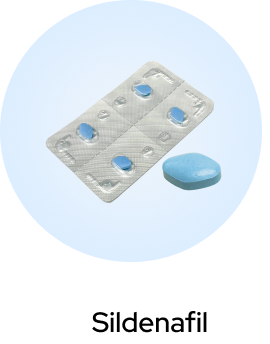
Sildenafil is prescribed to treat ED because it works by increasing blood flow to the penis, which helps men with ED to achieve and maintain erections during sexual arousal.
ED treatment is not one-size-fits-all. What works best depends on your health, tolerance, and goals.
Evaluating the Effectiveness of 20 mg Sildenafil for ED
The effectiveness of sildenafil (the active ingredient in Viagra) varies from man to man. Even though sildenafil is prescribed to treat erectile dysfunction (ED), some will respond at lower doses while others may need adjustments.
Situations Where 20 mg May Be Effective
A 20 mg dose can improve erectile function in men with mild or situational ED. It is often effective for men who are more sensitive to blood flow changes or those who have healthier overall vascular function. In some cases, lifestyle factors, such as low stress, moderate alcohol intake, or regular exercise, may allow lower doses to improve the quality of erections. When used under a doctor’s supervision, this dose allows close monitoring of tolerance and side effects.
When 20 mg May Be Considered Too Low
For men with moderate to severe ED, 20 mg may be insufficient. If repeated use shows no consistent improvement, dosage adjustment might be required. Importantly, lack of results does not mean failure. It simply highlights that ED treatment must be personalized. Always consult a Canadian physician before making changes.
Factors That Influence the Effectiveness of Sildenafil
The impact of 20 mg depends on:
- Health
- Dosage
- Age
- Medications
- Cardiovascular status
- Psychological factors
Sildenafil works by increasing blood flow to the penis, but results are best when combined with healthy lifestyle habits and medical guidance.
Sildenafil Dosage Comparison: 20 mg vs. 25 mg, 50 mg, and 100 mg
When comparing 20 mg of sildenafil to the standard doses (25 mg, 50 mg, and 100 mg), it’s important to understand how strength affects effectiveness and risk.
While 20 mg may be insufficient for men with moderate to severe ED, some may experience temporary improvement. Standard starting doses (usually 50 mg) are effective for most men, with lower doses considered for those more sensitive to side effects. See our full guide on sildenafil dosage for erectile dysfunction.
Sildenafil Dose Comparison Table
|
Dose |
Typical Use Case |
Effectiveness |
Risk of Side Effects |
|
20 mg |
Sometimes tried for sensitive patients or off-label use |
May be insufficient for many men |
Low risk, but less effective |
|
25 mg |
Recommended for older men or those with health conditions |
Can improve erectile function in mild ED |
Lower risk, milder side effects |
|
50 mg |
Standard starting dose |
Is effective for most men |
Moderate, well tolerated by many |
|
100 mg |
Used when 50 mg is not effective |
Provides stronger erections |
Higher risk of headaches, flushing, vision changes |
Onset Time and Duration Differences
Sildenafil is typically taken before sexual activity and becomes effective within 30–60 minutes. Lower doses, like 20–25 mg, may provide temporary improvement but often wear off sooner. Standard or higher doses (50–100 mg) may last 4–6 hours.
Still, effectiveness depends on factors like metabolism, age, and overall health. Importantly, sildenafil is designed to help achieve and maintain erections only in response to sexual arousal.
Risk of Side Effects at Different Strengths
As dosage increases, the likelihood of side effects rises. While 20–25 mg may reduce the risk, it can also compromise efficacy. Common side effects include headache, flushing, nasal congestion, and dizziness. At higher strengths, men are more likely to experience vision changes or indigestion. Learn more about sildenafil side effects to understand its effectiveness.
Finding the right balance between effectiveness and tolerability often requires supervised adjustments by a physician. For Canadian men, Jack Health offers safe, evidence-based consultations to determine the right dosage, with discreet prescription and delivery.
Does Sildenafil Have Any Role Beyond an ED Medication?
Sildenafil, more widely known as Viagra®, is prescribed to treat erectile dysfunction (ED), where it works by increasing blood flow to the penis to help men achieve and maintain erections during sexual arousal. However, sildenafil also has important uses outside of sexual health.
At a lower dose of 20 mg, it is approved by Health Canada under the brand name Revatio® to treat pulmonary arterial hypertension (PAH).
In this setting, it helps regulate blood flow in the lungs and relieve strain on the heart. While the 20 mg dose can improve quality of life in PAH patients, it is generally insufficient for men with ED, who usually require higher, individualized doses prescribed under medical supervision.
Doctor Recommendations and Safe Usage of Sildenafil
Sildenafil, the active ingredient in Viagra, is prescribed to treat erectile dysfunction and works by increasing blood flow to the penis. However, the right dose and effectiveness vary from man to man.
Choosing the correct starting point should always be done in partnership with a healthcare provider, since Viagra should be taken with caution when combined with other medications or underlying conditions.
For instance, men who are older, or who have liver or kidney problems, may be advised to start at a lower dose. With proper medical supervision, adjustments can be made to help men achieve and maintain safe, reliable erections.
Typical starting doses and recommendations (based on Health Canada guidelines and clinical studies):
- Standard starting dose: 50 mg
- Effective for about 70–80% of men with ED
- Taken 30–60 minutes before sexual activity
- Effective for about 70–80% of men with ED
- Lower dose (25 mg):
- Often recommended for men 65 years or older, or those with liver/kidney impairment
- Reduces the risk of side effects such as headache, dizziness, or low blood pressure
- Often recommended for men 65 years or older, or those with liver/kidney impairment
- Maximum dose: 100 mg in 24 hours
- Only prescribed if 50 mg is ineffective and tolerated
- Exceeding this dose increases the risk of priapism, cardiovascular complications, and vision changes
- Only prescribed if 50 mg is ineffective and tolerated
Practical guidance:
- Always consult your doctor before adjusting doses
- Avoid combining sildenafil with nitrates or certain blood pressure medications
- Dose adjustments are based on individual response and safety
|
Age / Condition |
Typical Starting Dose |
Maximum Dose |
Notes / Risks |
|
Adult men (<65 years) |
50 mg |
100 mg per 24h |
Effective for ~70–80% of men; adjust if side effects occur |
|
Older men (≥65 years) |
25 mg |
100 mg per 24h |
Lower starting dose recommended to reduce side effects (headache, dizziness, hypotension) |
|
Men with liver or kidney impairment |
25 mg |
100 mg per 24h |
Dose adjustments advised; monitor tolerability |
|
Men taking nitrates |
Contraindicated |
N/A |
Risk of severe hypotension; sildenafil should not be used |
|
If 50 mg ineffective and tolerated |
100 mg |
100 mg per 24h |
Only increase dose under doctor supervision; higher doses increase risk of priapism, cardiovascular effects |
Alternatives if 20 mg of Sildenafil is Not Effective
If 20 mg of sildenafil is insufficient for men with erectile dysfunction, there are safe, evidence-based alternatives to explore under medical guidance. Sildenafil is prescribed to treat ED because it works by increasing blood flow to the penis and helps men with ED to achieve and maintain erections.
However, every man responds differently, and sometimes adjustments or alternatives are required.
- Trying a Higher Dose Safely: Doctors may recommend increasing the dose to 25 mg, 50 mg, or 100 mg, depending on effectiveness and side effects. It is recommended to be used under medical supervision, and testing one dose at a time ensures safety.
- Other ED Medications (Tadalafil, Vardenafil): Cialis (tadalafil) is effective for up to 36 hours, while Levitra (vardenafil) is commonly used by men with mild to moderate ED and may be less affected by food. Each option is designed to help achieve and maintain erections but differs in timing and side effect profile.
- Lifestyle and Non-Medication Approaches: Since ED often has multiple contributing factors, supportive strategies like exercise, weight loss, reducing alcohol, and stress management can improve the quality of erections in men. These approaches help regulate blood flow during sexual arousal and enhance overall sexual performance.
Ready to find the right ED treatment for you?
Book a private consultation with Jack Health today to discuss safe, effective options like sildenafil treatment available at Jack Health, Cialis, or Levitra. Our licensed Canadian providers offer discreet, evidence-based care with medication delivered straight to your door.
Key Takeaways
- 20 mg may help some men with mild ED, but is often insufficient for moderate to severe cases. The standard starting dose in Canada is 50 mg, with adjustments made under medical supervision.
- Effectiveness depends on individual factors, including age, health conditions, medications, and lifestyle. Sildenafil works by increasing blood flow to the penis and requires sexual arousal to be effective.
- Safer alternatives exist if 20 mg isn’t enough, including higher prescribed doses, other ED medications like Cialis or Levitra, and lifestyle strategies (exercise, weight loss, stress reduction). Always consult a Canadian physician before changing dosage.
Frequently Asked Questions
Can I Split a 50 mg Tablet into a 20 mg Dose?
No. Splitting a 50 mg tablet into a 20 mg dose is not accurate, since tablets are not designed for precise subdivision. This can lead to inconsistent dosing and increased risks. Always follow your doctor’s guidance for safe adjustments.
How Long Does 20 mg of Sildenafil Last?
A 20 mg dose typically lasts about 4 to 6 hours, similar to standard doses. The strength may affect erection quality rather than duration, with lower doses sometimes less effective for men with moderate to severe ED.
What Should I Do if 20 mg Doesn’t Work?
If 20 mg is ineffective, consult your doctor before making any changes. Safe next steps may include trying 25 mg, 50 mg, or 100 mg under supervision, or exploring alternatives like tadalafil or vardenafil.
Is 20 mg Safer than Higher Doses?
Yes. Lower doses may reduce the risk of side effects, such as headaches, flushing, or dizziness. However, they may also be less effective. Finding the right balance between safety and results requires medical supervision.
Can I Take 20 mg of ED Medication Daily?
No. Sildenafil is usually prescribed as needed before sexual activity, not for daily use. Daily low-dose therapy is available with tadalafil, which is designed for continuous use. Discuss the right regimen with your doctor.
How Do I Know if 20 mg of Sildenafil is Working for Me?
Assess effectiveness by checking: how quickly it works (30–60 minutes), whether you achieve and maintain an erection with sexual arousal, and your overall sexual satisfaction. If results are inconsistent, consult your provider.
What Happens if I Take Too Much Sildenafil?
Taking more than prescribed can cause dangerous side effects, including severe headache, dizziness, vision or hearing changes, chest pain, or priapism (an erection lasting over 4 hours). Seek immediate medical attention and never exceed the recommended dose without a doctor’s approval.










 (US)
(US)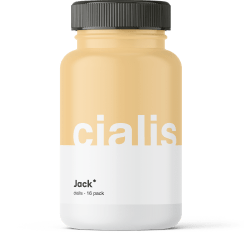


 Subscription plan auto-renews every three months - cancel anytime