

Thinking about a DIY penis pump for ED or performance?
Many men search for ways to make their own pumps, seeing it as a quick and affordable solution, but the reality is concerning. The risks, including serious injuries and infections, far outweigh any potential benefits.
This article is intended to educate, but we strongly recommend exploring clinically approved alternatives instead. At Jack Health, we offer doctor-prescribed ED treatments like Viagra and Cialis—safe, effective options that eliminate the risks of a DIY approach.
Let’s walk through the steps to making a homemade pump, but remember to prioritize safety above all.
Step-by-Step Guide on How to Make a Penis Pump at Home
If you choose to make a homemade penis pump, it should be used cautiously, as improper use can cause injury or infection. Medical-grade pumps are much safer. Follow this step-by-step guide carefully.

Step 1: Gather Essential Materials
To start, you’ll need materials commonly used in DIY projects. These are often created using basic materials like:
- Plastic cylinder (a tube large enough to fit the penis).
- Rubber tubing (to connect the pump).
- Rubber seal (to create an airtight fit).
- Manual or electric pump (a bulb syringe, foot pump, or an actual vacuum pump).
It’s important to remember that using non-medical components can be risky. Items such as plastic tubing and rubber seals should only be used if they are certified as medical-grade. Using DIY materials that aren’t properly sterilized can introduce bacteria, raising the risk of infection or irritation.
We strongly recommend not substituting household tools for medical-grade parts. Later in the article, we’ll explore safer alternatives to DIY pumps that offer better reliability and safety.
Step 2: Clean and Prepare All Parts
Before assembling your pump, thoroughly clean all components to prevent infection or irritation. Water and soap may suffice, but proper sterilization is difficult without professional tools. Using non-sterilized materials can harbor bacteria, increasing the risk of infection.
Warning: Improper cleaning can cause irritation or damage to sensitive areas, leading to serious health issues. Always prioritize cleanliness.

Step 3: Assemble the Vacuum Chamber
With all parts clean, assemble the vacuum chamber. This will be the cylinder where the penis will be inserted to create a vacuum. You’ll need a plastic tube or any airtight container that fits securely around the penis.
Caution: Only use containers designed for vacuum pressure, as others may break and cause injury.

Step 4: Attach the Pump Mechanism
Once your chamber is ready, attach your pump mechanism. This can be a manual bulb syringe or an electric pump. Using high-pressure tools may cause damage if applied to the penis, leading to serious injury.
Unlike DIY pumps, commercial pumps have pressure limits to prevent overuse. Manual pumps offer better control, but proper operation is essential to avoid injury.
Step 5: Add the Sealing Mechanism and Test the Pressure
The next step is to create an airtight seal at the cylinder’s opening. You can use either rubber or silicone seals to do this.
Warning: Incorrect sealing can lead to friction burns, bruising, or constriction injuries. Testing the seal beforehand can help. Fill the pump with water or use gloves to check for leaks before actual use.
Important Reminder: Excessive suction can damage blood vessels, cause numbness, or other injuries. Clinical guidelines suggest that vacuum devices for erectile dysfunction are typically used at negative pressures between 150–200 mmHg, but the effects of lower pressures are not well studied. Avoid exceeding 200 mmHg to reduce the risk of injury.
Common Risks of DIY Penis Pumps
DIY penis pumps can help with the temporary enlargement of the penis, but they come with significant health risks, too. Some of the major concerns include:
- Bruising and nerve damage from improper use.
- Erectile tissue injury caused by excessive or poorly controlled pressure.
- Infection from using non-sterilized components.
DIY pumps are generally not recommended by professionals for addressing erectile dysfunction (ED) or sexual performance issues because they lack safety regulations and pressure control mechanisms found in commercial products.
Instead, it’s best to seek professional medical guidance for a safer choice. At Jack Health, you have access to safe, effective ED treatments like Viagra and Cialis, all overseen by licensed medical professionals for reliable results.
Effectiveness and Use of Penis Pumps
Vacuum pumps improve blood flow for temporary firmness or an erection, but do not cause lasting enlargement.
DIY pumps are typically used for temporary results in ED treatment and can be effective for short-term improvements in girth, length, and confidence. However, they do not provide permanent penis enlargement or long-term benefits. To learn more about how penis pumps actually work, check out our guide on how effective penis pumps really are.
When used properly, vacuum pumps can aid erectile function, but improper use carries the risk of injury or nerve damage.
Safer Alternatives to Homemade Penis Pumps
Clinically approved treatments like Viagra and Cialis provide a safe, effective way to manage ED. Both offer reliable results without the risks associated with DIY pumps. Learn how these treatments provide a reliable solution for managing ED.
Viagra
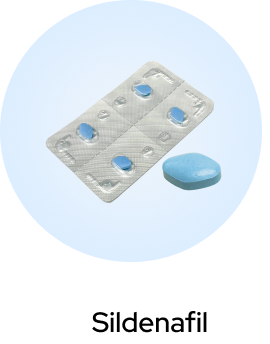
For men with erectile dysfunction, Viagra (Sildenafil) provides a safe, clinically approved solution by increasing penile blood flow and improving erection quality. Viagra is fast-acting and has proven to be an effective treatment for many men.
Through Jack Health, you can easily get prescription-based Viagra, provided by licensed Canadian professionals. Avoid the dangers of DIY solutions and get the proper care you need to manage ED safely.
Cialis
Another reliable option is Cialis (tadalafil). It can provide you long-lasting effects for up to 36 hours. Well-known for promoting spontaneous intimacy, Cialis provides flexibility, eliminating the time restrictions that other ED treatments often impose.
With Jack Health, you can easily get doctor-guided Cialis plans tailored to your needs. Gain access to a safe and convenient treatment option designed to help you enjoy life without the hassle of temporary solutions.
If you’re interested in non-pharmaceutical options, there are also other alternatives to penis pumps, like cock rings and more, that support sexual health differently.
Consultations with Urologists or Sex Therapists
If ED is linked to physical or psychological causes, it’s crucial to speak with a urologist or sex therapist. A professional can help pinpoint the underlying issue and recommend the best treatment plan, rather than relying on internet DIY solutions.
You can receive expert guidance from licensed providers at Jack Health to help improve your health and performance on your journey to better well-being.
DIY vs. Commercial Penis Pumps
DIY pumps may save money, but come with risks. Commercial pumps offer higher quality and safer features. Here’s a quick comparison to help you make a decision.
Feature | DIY Penis Pump | Commercial Penis Pump |
Durability | Unpredictable, may break quickly | High-quality, long-lasting materials |
Comfort | Less ergonomic | Designed for comfort |
Safety | Lacks safety mechanisms, risky | FDA-approved, built-in safety |
Cost | Low initial cost | Higher cost, but safer |
DIY pumps are not FDA-approved, and their lack of durability and pressure control mechanisms can lead to serious injury. On the other hand, commercial pumps prioritize comfort, safety, and reliability, and are considered a better alternative to DIY pumps, offering more effective and safer results.
Key Takeaways
- DIY penis pumps pose serious risks, including injury and infection, due to poor materials and a lack of safety features.
- Viagra and Cialis are safe, effective alternatives, offering proven results without the dangers of DIY pumps.
- Jack Health provides doctor-guided consultations and prescription treatments for safe, effective ED management.
Frequently Asked Questions
Can You Sterilize and Reuse a DIY Penis Pump?
No, reusing a DIY penis pump is not recommended. DIY pumps can harbor bacteria, degrade over time, and lack proper sterilization. It’s safer to use professionally designed pumps with built-in hygiene features.
Are There Cheaper Penis Pumps That Are Safer Than DIY?
Yes, there are affordable medical-grade penis pumps. Although they cost more than DIY versions, they include safety features such as valves and pressure gauges, offering a safer and more reliable option.
How Long Do Homemade Penis Pumps Last?
The lifespan of a homemade penis pump depends on material quality, typically lasting from a few months to a year. Frequent use can cause it to deteriorate faster than a professional model.
Warning: Device failure during use can lead to serious injury.
How Much Suction is Safe for a DIY Pump?
DIY penis pumps lack reliable suction control, and exceeding 5-7 inches of mercury (Hg) can cause injury. Medical-grade pumps have safety valves to regulate suction, making them a safer choice than DIY options.
Can You Use a Bicycle Pump or a Vacuum for a Penis Pump?
No, bicycle pumps and vacuums aren’t safe for penis pumps. They create excessive pressure, risking serious injury. Always use a pump designed for this purpose.










 (US)
(US)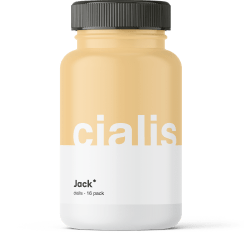


 Subscription plan auto-renews every three months - cancel anytime