

Sildenafil, the active ingredient in Viagra, is FDA-approved and has helped millions of men treat erectile dysfunction (ED). But for many, especially first-time users, knowing where to start or what to adjust when it doesn’t work can be confusing. One study found that more than half of men who initially saw no success with sildenafil eventually responded once they were re-educated on proper dosing.
That’s how important it is to get the dosage right.
This guide walks you through each dosage level, how to use it effectively, and what to do if your results are underwhelming. Finding the right dose not only leads to better performance but also reduces the risk of unwanted sildenafil side effects like headaches or dizziness.
How Does Sildenafil Work for Treating ED?
Sildenafil works by enhancing blood flow to the penis. It’s part of a class of medications called PDE5 inhibitors. When you’re sexually aroused, sildenafil helps relax the blood vessels and smooth muscles in the penis, allowing for a firmer, more sustainable erection.
It’s important to know that effectiveness depends on sexual stimulation. It won’t trigger an erection on its own. While sildenafil helps treat the symptoms of ED, it doesn’t “cure” the underlying cause. Factors like stress, anxiety, and certain medical conditions can still play a role in how well it works.
What are the Standard Dosages of Sildenafil?
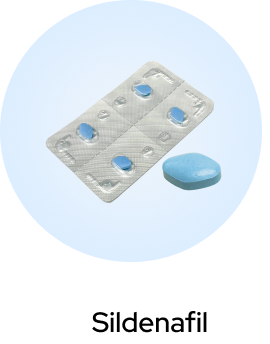
20 mg is not enough for ED if you’re using sildenafil. It’s below the standard therapeutic range and may be ineffective for most men. Sildenafil is typically prescribed in 25 mg to 100 mg doses, with each option tailored to different needs and health profiles.
25 mg: Low Dose
This is the lowest available dose and is often used in cases where men are more sensitive to medication or have underlying conditions. Lower doses may be recommended for older adults or those with health conditions, especially if they’re taking other medications that could interact with sildenafil.
50 mg: Typical Starting Dose
Doctors often start patients at 50 mg for erectile dysfunction because it offers a good balance of effectiveness and tolerability. Most users report satisfactory performance with 50 mg, especially when taken correctly and under the right conditions.
100 mg: Maximum Recommended Dose
Maximum efficacy is usually seen at 100 mg for most patients, particularly for moderate to severe ED. While many experience better results at this level, it’s important to understand the potential for increased sildenafil side effects such as headaches, flushing, and dizziness. That’s why this dose should only be used under a doctor’s supervision.
How to Adjust Sildenafil Dose Safely
The good news? The dosage may be adjusted based on tolerance and effectiveness, but only with your doctor’s guidance.
- When to Increase to 100 mg: If 50 mg doesn’t provide enough firmness or reliability after a few tries and you’re not experiencing strong side effects, your doctor might recommend moving up. Dose titration is done based on patient response, not just one-time experiences.
- When to Decrease to 25 mg: If you’re getting results but also experiencing side effects, 25 mg might be a safer long-term option. Some men respond well to just 25 mg of sildenafil, especially those with mild ED or older adults.
- What to Do If You Don’t See Results: First, make sure you’re taking it correctly (on an empty stomach, 30–60 minutes before sex, with arousal). If nothing changes after 4–8 attempts, speak to your healthcare provider. Alternatives or combination therapies might be necessary.
How to Choose the Right Sildenafil Dose
The optimal dose varies between individuals, and several factors can influence what’s safe and effective. So, always consult a healthcare provider before adjusting the dosage. Self-medicating can be risky, especially if you’re on other treatments.
- Age: Metabolism slows with age, so older men often start with 25 mg.
- Overall Health: Heart, liver, and kidney issues may require lower doses.
- Other Medications: Some drugs interact with sildenafil. Always disclose your full list.
- Severity of ED: The more severe the symptoms, the higher the starting dose may need to be.
- Underlying Health Conditions: Diabetes, high blood pressure, or hormonal imbalances may impact results.
Ready to get help? Jack Health makes it easy to get medically guided ED treatment online, with prescriptions, dose adjustments, and ongoing support.
When and How to Take Sildenafil
Timing and technique matter just as much as the dose.
- You should take sildenafil about 30 to 60 minutes before intercourse, though it can remain effective for up to 4–6 hours.
- Food can affect how quickly sildenafil is absorbed, especially with high-fat meals. Try to take it on an empty stomach or after a light meal.
- It is advised not to take more than one dose per day, even if the first didn’t “work.”
- The drug should be swallowed whole with water, not chewed or crushed.
Sildenafil Dosage Risks and Precautions
Like all medications, sildenafil comes with some precautions, especially when combined with other drugs or health conditions.
Possible Side Effects
Common side effects include headaches, flushing, indigestion, nasal congestion, and dizziness. Rare but serious risks include vision changes, prolonged erections (priapism), or sudden hearing loss.
Medications and Conditions That May Require Dose Adjustment
Men with liver or kidney issues may need a reduced dose, as well as those taking nitrates, alpha-blockers, certain antifungals, or HIV medications. Viagra should be used only under medical supervision if you fall into any of these categories.
Key Takeaways
- Doctors recommend taking the lowest effective dose to balance results and safety.
- Sildenafil is typically prescribed in 25 mg to 100 mg doses, with adjustments based on individual response.
- Effectiveness depends on sexual stimulation and proper timing, not just the pill itself.
Frequently Asked Questions
What is the Most Effective Dose of Sildenafil for ED?
There’s no one-size-fits-all, but 50 mg is most commonly effective for many men. Others may need to adjust.
Can I Take More than 100mg if 50mg Doesn’t Work?
No. 100mg is the maximum safe dose. Taking more increases the risk of side effects without yielding better results.
Is It Safe to Split Sildenafil Tablets?
Yes, but only with your doctor’s approval. Some tablets aren’t meant to be split.
Does Sildenafil Work Better with or without Food?
Yes. It works better on an empty stomach or after a light meal. Heavy meals delay its effect.
How Long Does Sildenafil Remain Effective After Taking It?
Generally, sildenafil remains active for 4–6 hours, with peak effectiveness around the 1-hour mark.
What if I Don’t Feel Any Effect from the Starting Dose?
Speak with your doctor before changing anything. Timing, arousal, and other health factors could be at play.
How Does Sildenafil Compare to Viagra?
They’re the same medication. Viagra is the brand name; sildenafil is the generic. Both are equally effective.










 (US)
(US)


 Subscription plan auto-renews every three months - cancel anytime