

Ozempic has become a headline-grabbing name in recent years, praised for its effectiveness in managing type 2 diabetes and fueling dramatic weight loss stories. But with rising demand, doctors are warning that the misuse of this powerful medication carries serious risks. In fact, emergency rooms have reported growing numbers of patients arriving after taking higher-than-prescribed doses, often chasing faster results.
While this drug offers clear benefits, an overdose is far from harmless. Taking too much Ozempic may cause severe nausea, extreme dizziness, or even dangerously low blood sugar levels. Some individuals also report repeated vomiting and dehydration when dose limits are exceeded.
This guide will walk you through what happens during an overdose, the symptoms you should observe, and the precautions every reader should take. By the end, you’ll know when to seek emergency help, how to consult a trusted healthcare provider, and the steps for safe management moving forward.
What is the Normal Ozempic Dosage?
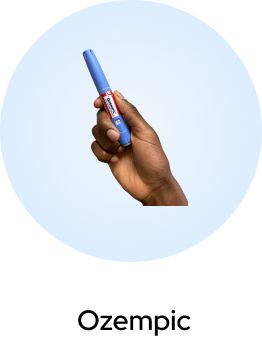
For most people beginning treatment, the standard starting dose of Ozempic is 0.25 mg once weekly. This is delivered by injection pens and is not meant for blood sugar control right away. Instead, it helps your body gradually adjust to the drug while limiting early side effects like gastrointestinal upset.
According to clinical guidelines, after four weeks, the dosage is typically increased to 0.5 mg per week, which is the recommended dose level for improving blood sugar levels in patients with type 2 diabetes. If additional support is needed, many individuals may have their dosage raised further to 1 mg weekly, with some reaching 2 mg weekly under close medical supervision.
This stepwise dosing and adjustment schedule is essential because higher-than-prescribed doses can trigger stronger reactions, while too little may not deliver the intended benefits. Only a doctor or qualified healthcare provider should adjust or administer your Ozempic treatment plan. Check with Jack Health consultation to ensure the right amount of Ozempic intake for your needs.
Following the prescribed schedule ensures the best effectiveness, minimizes risks, and supports better management of blood sugar level fluctuations.
Signs and Symptoms of Taking Too Much Ozempic
An overdose of Ozempic can cause a range of symptoms, from uncomfortable but manageable issues to serious health complications.
Recognizing the early signs is critical because timely management can prevent a worsening condition. The benefits of early detection include avoiding unnecessary pain, reducing hospitalization risks, and giving patients the best chance for safe treatment.
Common Overdose Effects
Some of the most frequently reported effects of taking too much Ozempic include:
- Persistent nausea or the urge to vomit
- Severe stomach cramps and gastrointestinal upset
- Sudden dizziness or lightheadedness
- Loss of appetite and difficulty with digestion
- Ongoing fatigue that individuals may find hard to tolerate
These signs may seem mild at first, but even common side effects can become overwhelming without proper monitoring.
Serious or Dangerous Reactions
In some cases, an Ozempic overdose can lead to life-threatening outcomes. More severe reactions may include:
- Hypoglycemia (dangerously low blood sugar) that may require insulin support
- Rapid heartbeat, shakiness, or fainting
- Signs of pancreatitis such as sharp abdominal pain radiating to the back
- Dehydration caused by repeated vomiting
- Abnormal liver enzyme levels that affect overall health
These emergency symptoms should never be ignored. Some patients may respond poorly even to moderate doses, which positions early medical attention as the safest choice. If you experience severe effects, seek emergency care immediately and consult a qualified healthcare provider for personalized advice.
What Do You Do If You Take Too Much Ozempic?
If you suspect an overdose, the most important step is to act quickly. Do not attempt self-management or wait for the effects to pass.
Overdosing on Ozempic can induce dangerous changes in blood sugar, and only trained medical professionals can provide the right treatment. Timely intervention reduces risks, prevents lasting complications, and improves the chances that patients will safely recover.
Seek Immediate Medical Advice or Go to the Emergency Room
If an overdose is suspected, seek emergency help right away. This may mean calling poison control, contacting your doctor, or going directly to the nearest emergency department.
For example, if you experience severe nausea, ongoing vomiting, or extreme dizziness, don’t delay. Report your symptoms and show up at the closest ER. Prompt clinical monitoring can stabilize blood sugar level changes before they worsen.
Do Not Attempt to Self-Treat or Skip Meals
Some individuals may think skipping meals or drinking excess water will “flush out” the drug, but these strategies can actually trigger more serious problems.
Avoiding food may worsen hypoglycemia and upset your stomach, while overhydration can throw off your body’s balance. Unless directed by a healthcare provider, continue with regular food intake to keep blood sugar stable. Following safe diet patterns is part of overdose management.
Bring Medication Packaging or Dosage Info for Doctors
When seeking urgent care, always bring your medication details. Keeping your Ozempic pen, packaging, or a photo of the label makes it easier for ER staff to identify the drug, confirm the dosage, and determine the right treatment.
Accurate dosing information helps medical teams adjust your care quickly and avoid delays. This simple preparation step can improve outcomes for patients who may not be able to clearly explain their situation during an emergency.
How to Prevent Accidental Overdose with Ozempic
Most cases of Ozempic overdose don’t come from intentional misuse, but from everyday mistakes: forgetting an injection, confusing the timing, or mixing up pens with other medications.
Fortunately, there are simple strategies that can reduce risks and give patients more confidence in their treatment routine. The benefits of prevention include fewer complications, greater tolerance, and better long-term health outcomes.
Use a Medication Tracking Routine
One of the best ways to avoid errors is to use a tracking system. Apps, calendars, or even a simple note on your fridge can remind you when to inject your weekly dose.
Consistency helps individuals avoid skipped doses or accidental repeats, giving peace of mind and supporting safe management of type 2 diabetes or weight-related conditions.
Never Double Dose After a Missed Injection
It can be tempting to “catch up” by taking more after a missed dose, but doubling up is a common mistake that can cause dangerous side effects.
The right step is to skip the missed injection and resume on your regular schedule or consult a healthcare provider for personalized advice.
For example, if someone forgets their Sunday routine and remembers on Monday, taking two doses back-to-back could trigger nausea, vomiting, or hypoglycemia.
Store and Label Pens Clearly
Safe storage makes a big difference. Keep your Ozempic pens in a dedicated spot, away from other drugs. Adding a label with the dosage level and date of your last injection reduces confusion and helps prevent accidental overuse. A clearly marked system allows medical teams to better observe and monitor your history if questions arise.
Follow the Weekly Schedule Carefully
Ozempic is taken once per week, not daily. Forgetting this can lead to dangerous dosing errors. Building a routine helps: set a recurring phone reminder, use a weekly calendar alert, or pair your injection with a consistent activity (like “every Monday morning before meals”). This structure improves control of your blood sugar, reduces the chance of error, and maximizes the effectiveness of your treatment.
Long-Term Risks of Repeated Ozempic Overuse
While a single overdose can be dangerous, the repeated overuse of Ozempic raises far more serious concerns. Scientific reviews of GLP-1 receptor agonists, the class of drugs that includes Ozempic, show that chronic misuse can lead to lasting damage to several organs and systems in the body.
Studies indicate that frequent higher-than-prescribed doses may increase the risk of developing pancreatitis, a painful inflammation of the pancreas. Long-term gastrointestinal upset, such as persistent bloating, cramps, or delayed digestion, has also been documented in patients who fail to follow proper dosing schedules. In addition, prolonged strain on the liver has been reported, with some cases showing abnormal enzyme levels that affect overall health.
Another concern is that extreme appetite suppression can contribute to unsafe weight loss, malnutrition, and even disordered eating patterns. Over time, this can throw off the balance of nutrients the body needs, especially if meals are skipped in an attempt to accelerate results.
Clinical data confirm a dose-dependent pattern of adverse reactions: the higher the amount, the more severe the side effect severity. For this reason, experts strongly caution against long-term misuse and emphasize ongoing clinical monitoring to observe and respond to changes in metabolic health.
Key Takeaways
- Taking too much Ozempic can cause severe nausea, vomiting, dizziness, hypoglycemia, abdominal pain, and dehydration, with serious cases leading to complications such as pancreatitis or abnormal liver function.
- Immediate steps include seeking emergency care, contacting a doctor, or going to the ER. Patients are advised not to self-treat (e.g., skipping meals or overhydrating), but instead to bring medication details to healthcare providers for proper management.
- Overdose often occurs due to missed or confused injections. Safe practices include tracking doses, never doubling up, and storing pens clearly. Long-term overuse increases the risk of pancreatitis, liver strain, unsafe weight loss, and gastrointestinal issues, underscoring the need for careful dosing and medical supervision.
Frequently Asked Questions
What Should I Do If I Miss a Dose?
If you miss an Ozempic dose, take it as soon as possible within 5 days of the missed dose. If more than 5 days have passed, skip it and take your next scheduled dose. Do not double the dose to make up for a missed one, as this increases the risk of side effects.
Can I Adjust Ozempic Dosage without a Doctor?
No, you can’t adjust Ozempic dosage without a doctor. Changing the dose on your own can increase the risk of side effects or reduce its effectiveness. Always consult a healthcare provider before making any changes to your medication regimen to ensure safety and proper blood sugar control.
How Long Do Side Effects from Taking Too Much Ozempic Last?
Side effects from taking too much Ozempic can last from a few hours to several days, depending on the dose and individual response. Common effects include nausea, vomiting, and low blood sugar. If symptoms persist beyond 48 hours or worsen, seek medical attention immediately.
Is There Anything I Can Do to Manage Symptoms while Waiting for Medical Help?
Yes, you can manage symptoms while waiting for medical help by staying hydrated, resting, and avoiding additional medication unless advised. For nausea, sip clear fluids; for low blood sugar, consume fast-acting carbs like juice or glucose tablets. Monitor your condition closely and seek immediate help if symptoms worsen.
Can an Ozempic Overdose Cause Permanent Damage?
No, an Ozempic overdose rarely causes permanent damage, but severe cases can lead to prolonged hypoglycemia, dehydration, or kidney issues if untreated. Prompt medical care usually prevents lasting effects. Always follow prescribed dosing to avoid complications and ensure safe, effective blood sugar management.
Should I Stop Taking Ozempic After an Overdose?
No, you should not stop taking Ozempic after an overdose without medical guidance. A healthcare provider must assess your condition and determine the next steps. Abruptly stopping can disrupt blood sugar control. Follow your doctor’s advice to safely resume or adjust the medication as needed.













 (US)
(US)


 Subscription plan auto-renews every three months - cancel anytime