

Psychological erectile dysfunction (ED), also called psychogenic ED, occurs when stress, anxiety, depression, or relationship factors interfere with sexual performance. Unlike organic ED, which is linked to vascular or hormonal causes, psychological ED stems from mental and emotional barriers that can disrupt arousal and erection reliability.
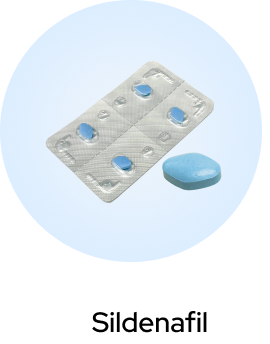
While Viagra® (sildenafil) primarily facilitates blood flow by blocking the PDE5 enzyme, it can still support men with psychological ED by improving penile rigidity, reducing erection latency, and alleviating performance stress.
However, Viagra alone does not treat the root cause of psychological ED. The best outcomes come when it is used under medical supervision alongside counseling, stress management, or lifestyle changes, where it can support psychotherapy outcomes and promote long-term sexual satisfaction.
In many cases, this physical support helps to boost confidence levels and restore sexual spontaneity, making it easier for men to overcome mental barriers.
What is Psychological (Psychogenic) ED?
Psychological or psychogenic erectile dysfunction (ED) occurs when emotional or mental health factors interfere with a man’s ability to achieve or maintain an erection.
Unlike organic ED, which stems from physical issues such as cardiovascular disease, diabetes, or nerve damage, psychogenic ED is often linked to stress, anxiety, depression, or relationship concerns.
Psychological vs. Organic ED
Psychological ED is triggered by mental health conditions, stress, or situational factors, while organic ED results from physiological problems like reduced blood circulation or hormonal imbalance. Brain-driven barriers can:
- Mitigate performance stress
- Reduce response reliability
- Manage arousal issues
These factors make erections difficult despite physical health.
How Common Is Psychological ED in Canada?
Health Canada and Canadian urology studies suggest that up to 20–25% of ED cases are primarily psychogenic, with higher rates in younger men under 40 compared to older groups, where organic causes dominate.
Many men also experience mixed ED, where psychological factors worsen an underlying physical issue. Psychogenic ED is common in men dealing with stressful work environments, mood disorders, or relationship challenges, making early medical support crucial.
How Viagra Works and Why It Can Help Psychogenic ED
Psychological or “psychogenic” erectile dysfunction (ED) often stems from stress, anxiety, or mental barriers rather than physical problems. While Viagra (sildenafil) cannot remove these mental causes, it restores erectile function by ensuring reliable blood flow (learn more about how Viagra works in the body), which in turn helps reduce performance anxiety and rebuild confidence.
Mechanism of Action
Viagra is prescribed to treat ED because it blocks the PDE5 enzyme and facilitates blood flow to the penis. By relaxing penile blood vessels, it improves penile rigidity and allows men to achieve erections when sexually stimulated. Importantly, Viagra only works when combined with arousal. It does not create desire on its own.
How Long Does Viagra Take to Work in Psychogenic ED?
Viagra is generally effective within 30–60 minutes and sustains penile firmness for about 4–6 hours. However, high-fat meals, alcohol, or heightened stress may delay its onset. Even in men with psychological ED, a reliable response helps reduce erection latency and increase response reliability.
How to Bridge the Mind–Body Gap
By providing consistent erections, Viagra alleviates erection anxiety and creates a positive feedback loop, boosting confidence and enhancing intimacy. For many men, Viagra:
- Mitigates performance stress
- Supports psychotherapy outcomes
- Promotes sexual satisfaction
Clinical Evidence & Expert Insights
Clinical studies show that Viagra® (sildenafil) is effective in men with both organic and psychological causes of ED. In mixed-cause populations, randomized controlled trials have demonstrated that sildenafil restores erectile function, improves penile rigidity, and reduces erection latency.
One multicentre study reported success rates of 60–70% in men with combined psychogenic and organic ED, highlighting its role in alleviating erection anxiety and supporting intimacy.
According to the Canadian Urological Association (CUA) and Canadian Medical Association (CMA) guidelines, PDE5 inhibitors like sildenafil are considered first-line therapy for erectile dysfunction, including cases where performance stress contributes.
Medication may be recommended when ED significantly impacts confidence and relationships, while psychotherapy or sex therapy is often added for men whose ED is primarily psychological. For many, a combined approach, sildenafil to enhance sexual performance plus therapy to relieve mental barriers, provides the most reliable results.
Alternative Treatments for Psychological ED
Psychological ED is often linked to stress, anxiety, depression, or relationship challenges. A combination of therapy, lifestyle changes, and medication often works best to boost confidence levels and promote sexual satisfaction.
Therapy and Counseling
Psychosexual therapy, cognitive behavioural therapy (CBT), and individual or couples’ counseling can treat psychological ED by addressing root causes such as anxiety, depression, or performance stress.
Talking with a mental health professional or certified sex therapist alleviates erection anxiety, supports partner intimacy, and helps men regain sexual spontaneity.
Lifestyle Changes and Mindfulness
Stress-reduction techniques like mindfulness meditation, yoga, or deep breathing can relieve mental barriers and reduce arousal issues. Regular exercise and a balanced diet improve circulation and energy, which enhances sexual performance and mitigates ED symptoms. Healthy lifestyle habits also sustain penile firmness by supporting cardiovascular health.
Combining Viagra with Non-Medical Approaches
When medically appropriate, Viagra facilitates blood flow and combats situational impotence, while therapy or lifestyle changes address the root psychological causes. This combined strategy improves response reliability and overall confidence.
For personalized support, book a confidential consultation with Jack Health. Our Canadian doctors can create a tailored plan to restore both physical and psychological sexual health.
Key Takeaways
- Psychological ED is common in Canada, especially in younger men, and often stems from stress, anxiety, depression, or relationship factors rather than physical health issues.
- Viagra can help men with psychogenic ED by improving penile rigidity, reducing erection latency, and boosting confidence—though it doesn’t treat the root psychological causes.
- Best results come from a combined approach: Viagra to restore erectile function and alleviate performance stress, alongside counseling, lifestyle changes, or mindfulness to relieve mental barriers and promote long-term sexual satisfaction.
Frequently Asked Questions
Is psychological ED common in Canada?
Yes. Research suggests that up to 20–25% of ED cases in Canada are primarily psychological, especially in younger men. Common causes include work-related stress, relationship issues, performance anxiety, and mood disorders such as depression. These mental health factors can disrupt arousal and reduce erection reliability even when physical health is otherwise normal.
What are the risks of using Viagra for psychological ED?
Viagra is generally safe when prescribed, but side effects can include headache, flushing, nasal congestion, indigestion, or vision changes (see how Viagra vs. Cialis side effects like headaches compare).
Another risk is psychological dependence. Some men may become over-reliant on the pill. See more about the risks of taking Viagra without ED, instead of addressing the root causes, such as stress or anxiety.
Do I need a physical exam before getting Viagra for psychological ED?
Not always. With Jack Health’s telehealth service in Canada, most men complete an online medical questionnaire reviewed by a licensed physician. This ensures safe prescribing without needing an in-person visit. A physical exam may only be recommended in complex cases or when underlying conditions require further evaluation.










 (US)
(US)


 Subscription plan auto-renews every three months - cancel anytime