

From the very first injection, Ozempic begins working behind the scenes, but the changes aren’t always what people expect.
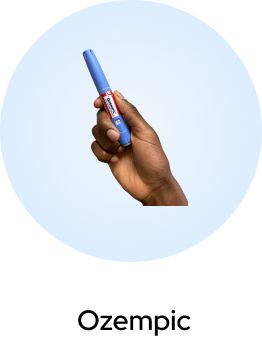
Ozempic, the brand name for semaglutide, is a GLP-1 receptor agonist approved by Health Canada for treating type 2 diabetes. It helps control blood sugar levels, supports insulin secretion, and reduces appetite.
Across Canada, it’s also prescribed off-label for chronic weight management in people with obesity. As more Canadians use Ozempic for diabetes management and weight loss, understanding what happens after your first dose can help you set realistic expectations and feel confident as you begin treatment.
Week 1 – Day‑by‑Day Guide
The first week often brings the most questions. Here’s a simple daily breakdown.
|
Day |
What You May Feel |
Self‑Care Tips |
|
Day 1 (Injection Day) |
Mild nausea, sometimes no change in appetite. Possible initial symptoms of effectiveness include slight stomach fullness. |
Eat a light meal, stay hydrated, and take a gentle walk. |
|
Day 2–3 |
Some may notice nausea or vomiting, heartburn, or mild digestive issues. A small dip in cravings may begin. |
Choose bland foods, eat slowly, and try sugar-free ginger chews. |
|
Day 4–5 |
GI symptoms often ease. Thirst increases as blood sugar levels begin to shift. Occasional headaches or fatigue. |
Aim for 2 L of water daily; add electrolytes if needed. |
|
Day 6–7 |
Energy steadies. Stronger appetite suppression and clear reduction in cravings. Some may feel increased energy and changes in mood. |
Track your food intake, prepare high-protein snacks, and note your progress. |
By the end of Week 1, most users experience a subtle treatment response, rather than dramatic weight loss results. Consider this your adjustment period.
Week 2 – Fine‑Tuning & First Wins
By Week 2, your body begins adjusting to the medication. Side effects usually subside, and some people may notice a subtle weight change of approximately 0.5–1 kg. Appetite control feels stronger, with a slower digestive process and more stable satiety.
Tips for success:
- Adjust meal sizes to match your reduced appetite.
- Aim for at least 60 g of protein each day.
- Add light resistance training to boost metabolism and support improvements in insulin sensitivity.
Week 3 – Appetite Reset & GI Adjustments
Most people begin to feel satisfied after smaller portions, showing stronger appetite suppression. Occasional constipation may appear, which is a normal effect of the slower digestive process.
Tips for support:
- Increase fibre intake with vegetables, oats, or psyllium husk.
- Use magnesium supplements if needed.
- Maintain daily movement to promote digestion and support overall health improvement.
Week 4 – First‑Month Milestones
At this point, progress becomes visible. Many patients experience a gradual onset of weight loss, adding up to 2–4 kg in total. Blood sugar levels begin to show steady improvement, with stabilization of glucose and measurable HbA1c trends.
This is often when providers prepare to increase dosage from 0.25 mg to 0.5 mg. Your doctor or healthcare provider will determine whether a treatment adjustment is right for you and explain why it’s essential to avoid taking too much Ozempic.
Weeks 5–8 – Dose Escalation & Steady Progress
As the dose increases to 0.5 mg and later 1 mg, appetite control strengthens and weight loss goals become clearer. Some people also notice changes in blood pressure and a greater reduction in food intake.
Stronger GI side effects may return during this stage, including nausea or vomiting, fatigue, and headaches. Manage these by staying hydrated, eating smaller, balanced meals, and using simple hydration hacks, such as adding electrolytes.
Months 3–6 – Longer‑Term Outlook
By Month 3 or 4, many people achieve a 5–10% reduction in body weight. This progress reflects steady medication adherence, combined with healthy lifestyle changes, such as diet and exercise.
Cardiometabolic benefits often follow, including:
- Insulin sensitivity improvement
- Lower HbA1c and stronger diabetes management
- Better blood pressure changes and cholesterol levels
- Reduced waist circumference and BMI
These improvements highlight some of the broader benefits of Ozempic documented in Canadian research and clinical practice. This stage often brings renewed motivation, increased energy, and noticeable improvement in overall health.
Before Your First Injection of Ozempic
Beginning Ozempic may feel like a significant step, but with some preparation, it becomes a simple and manageable process. Having the right supplies and knowing how Canadian pharmacies work will help you start with confidence.
Pre-dose checklist:
- Have your prescription ready
- Store your pen in the fridge (cold-chain delivery is standard in Canada)
- Keep alcohol swabs and a sharps container on hand
Pharmacy & insurance tips in Canada:
Ozempic is dispensed through licensed Canadian pharmacies that adhere to strict cold-chain delivery protocols. Some private insurance plans may cover semaglutide, and certain provincial drug programs can also provide support. Always check with your provider or insurer to confirm coverage before starting treatment.
If you’re just getting started, Jack Health can help you with prescriptions, insurance questions, and Canada-wide discreet delivery, so you’re supported every step of the way.
How Ozempic (Semaglutide) Works
As a GLP-1 receptor agonist, Ozempic mimics the action of a hormone naturally produced in the gut. This action helps with appetite suppression, slows gastric emptying (the slower digestive process), and improves the body’s insulin response. Together, these effects support better blood sugar control and steady progress toward weight management goals.
Dosing schedule (per Health Canada):
- Starter dose: 0.25 mg once weekly for the first 4 weeks
- Increase: 0.5 mg after Week 4, if tolerated
- Further titration: Up to 1 mg or more, depending on your treatment plan
The gradual increases, occurring every 4 weeks, are designed to minimize side effects and promote a safer, more sustainable treatment response.
How to Manage Side Effects at Every Stage
Most people experience mild side effects when starting or increasing their Ozempic dose. These usually improve over time, but simple strategies can make them easier to manage.
- Nausea or reflux: Eat slowly, avoid greasy foods, and stick to smaller meals. If symptoms persist, your healthcare provider may recommend anti-nausea medication.
- Digestive issues (constipation): Increase fibre intake with vegetables or oats, stay hydrated, use stool softeners as needed, and maintain daily physical activity.
- Fatigue: Rest as needed and adjust your activity pace to allow your body to recover.
- Injection-site care: Rotate sites (abdomen, thigh, arm) to reduce irritation. Always let the pen reach room temperature before use.
Remember: If side effects feel severe or don’t improve, reach out to your Canadian healthcare provider for personalized support and possible treatment adjustments. With Jack Health, you can easily connect online with licensed providers across Canada for guidance and ongoing care.
Key Takeaways
- The first dose of Ozempic often causes mild side effects, such as nausea and fatigue, with early appetite changes typically appearing within the first week.
- By the first month, many patients notice 2–4 kg weight loss and improved blood sugar control, with providers often preparing for a dose increase.
- Over 3–6 months, consistent use with lifestyle changes leads to 5–10% body weight reduction and cardiometabolic benefits, including better HbA1c, blood pressure, and cholesterol.
Frequently Asked Questions
How much weight can I lose in the first week of Ozempic?
Most people lose no more than 1 kg in the first week, mainly from water loss and appetite suppression. STEP-series trials show meaningful weight loss develops over time. Results vary depending on diet, exercise, and adherence.
When will I see significant weight loss with semaglutide?
Most patients experience meaningful results between weeks 8 and 12, with a 5–10% body weight loss by 3–4 months. Greater change often follows dose increases from 0.5 mg to 1 mg and eventually 2 mg, along with consistent use and lifestyle changes.
Can I stop Ozempic after a few weeks?
You can stop, but early discontinuation often halts progress and may lead to rapid weight regain as appetite returns. Always consult a healthcare provider in Canada before making any changes.
What if I miss my weekly dose of Ozempic?
Health Canada advises that if you miss a dose and it’s been within 5 days, take it as soon as possible. Missed by more than 5 days? Skip it and stay on your usual schedule. Never double a dose.













 (US)
(US)


 Subscription plan auto-renews every three months - cancel anytime